
Think critical is an international project which is supported by the Visegrad Fund ( https://www.visegradfund.org/). This project will deal with the low level of media literacy (ML) and information literacy (IL) among young people aged 18-24 in V4 region. Project number: 21930204

WELCOME TO SKEPSIS
About the project
THINK CRITICAL. SKEPSIS
SUPPORTED AND FUNDED BY
In 2018 research (http://bit.ly/MLindex) about ML, V4 countries had following levels of ML index: Poland – 55, Czechia – 55, Slovakia – 48, Hungary – 40. Because of this they can be easily attacked by fake news, lies and propaganda which can negatively influence their decisions and political situation in countries. There are some actions taken on the issue at EU and V4 level, e.g. in 2018 the High level group on Fake news was created in EU, which proves the importance of the topic (http://bit.ly/fakenewsgroupEU). We think that there is still not enough non-formal education on these topics among young people in V4 and with this project we want to change this situation. With the initiative of Logos organisation with support of IVF in 2018 international movement called “Skepsis” (https://www.fb.com/skepsismovement) was established. Main idea behind the movement is to deal with issues connected with critical thinking, IL and ML. This project will be made as a part of Skepsis movement.
During the project we plan to implement several activities in all 4 Viserad countries – Poland, Czechia, Hungary and Slovakia. First of the activities will be the training course where young people get knowledge and skills on IL and ML. During the training we will use “learning by doing” approach. This means that young people who will join us will create 7 pieces of educational materials (videos, posters, pictures, quests, etc.) on topics of IL and ML for their peers.
Later we will target more around 250 youngsters who will have their levels of IL and ML increased at 12 open events. To do this we will implement 3 open events in each partner country where we will promote ideas of IL and ML using educational materials created at the training. Each of partners will take part in preparation of main activity as well as implementation of open events back at their home cities.
Project objectives
- Increase the knowledge on IL and ML among our participants and attendants of events;
- To fight some of the most widespread fakes, disinformation and propaganda in V4 region;
- Create 7 pieces educational materials, which will be spreading ideas of IL and ML;
- Interact with more than 250 young people, educating them on IL and ML;
- To strengthen and develop Skepsis movement to multiply positive effects from the project.
We believe that cooperation between V4 partners within the project will help us to have a synergetical effect, where each participants and partner brings her/his impact and ideas from their surrounding and thus, makes bigger impact.
Description of implemented agenda, click on the day to see more details
- Day 1 – 8/23/2020
Arrival day of participants from 4 countries: Hungary, Czech Republic, Poland, Slovakia. Introduction and welcoming evening.
- Day 2 – 8/24/2020
First full day of working. Participants were getting to know each other, familiarizing with agenda of the project, playing ice-breaking games. Apart from that, participants had an online session of Skepsis movement presentation and its detailed explanation:
– What is it?
– How does it work?
– What is the movement devoted to?
– Who is involved into the movement?
-
- Day 3 – 8/25/2020
Critical thinking introduction day. 4 sessions entirely devoted to understanding the concept of critical thinking and its derivatives:
– Why should we know it?
– How can critical thinking help us?
– Where is it applied?Then, we had a presentation of logical fallacies in the interactive way of scenes. Besides that, an explanation of common misconceptions where participants could play Kahoot.
A short explanation of the notion of cognitive biases and presentation of examples was made by participants based on the giving out materials.
In the evening, there was a session on strategies for developing critical thinking and a discussion + reflection time of the day.
After the whole day of working and gaining knowledge, participants could present their countries on the intercultural party with food and performances of their talents – singing, playing traditional instruments, dancing. Moreover, on the intercultural party, we invited local people where they were able to talk and engage with participants.
-
- Day 4 – 8/26/2020
Media literacy day:
– What is media literacy?
– Why do we need it?
– How does the knowledge of critical thinking can help us here?Presentation of the fake news, their examples, why they can be dangerous in general, and pandemic times? Working in groups and elaborating ways of preventing yourself from the problem of disinformation.
Besides that, the assistant of a journalist for a Polish 24-hour commercial news channel TVN made a presentation for us on journalistic work basics.
After having dinner, we were working with fake photos and their identification with the Kahoot competition’s help.
-
- Day 5 – 8/27/2020
Participants were introduced with the idea of non-formal education and the Visegrad Fund.
Additionally, they had to think of what they would like to present during an open event based on the gained knowledge of critical thinking and media literacy and decided which team to join.
After the discussions, they came up with five groups who had to prepare tools to develop critical thinking and media literacy.Here they are:
– One team decided to stage interactive theatre, including logical fallacies and cognitive biases.
– The second team wanted to design stickers on “Smart fact-checking.”
– The third team expressed a desire to create a Kahoot presentation of biases.
– Forth team decided to involve an article analysis of the Russian vaccine.
– The idea of the last team was to shoot a video, social experiment. They said to random people on the street fake news and filmed their answers and reaction.
During the whole day, participants were working on their ideas with the help of trainers.
-
- Day 6 – 8/28/2020
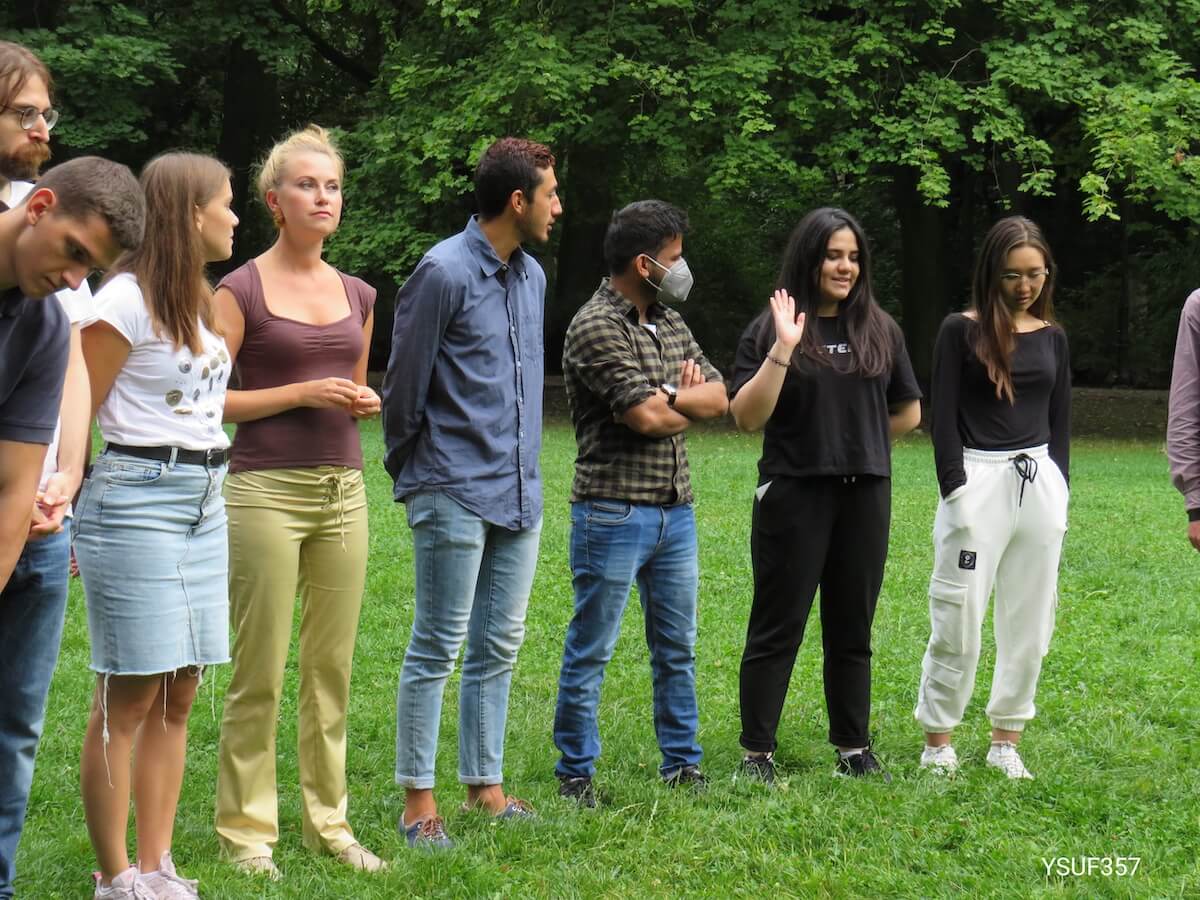
Day of preparing for the open event. Earlier, we placed a post on Facebook with information about the open event. We decided to make on the fresh air to take precautions. We elaborated on a detailed plan for the workshop and who and how will present their tools during this day. However, before participants showed their ideas, they were making previously.
All the participants successfully worked out with the ideas and brought them to life.
The open event started with an introduction and explanation for the guests who came to us (more than 10) and then presented our materials.
First, there was a team with a video experiment. Team told a story that was behind the idea.
Then, another team presented stickers on “smart fact-checking” and gave them out to the guests.
After that, participants briefly explained what cognitive biases are and create an interaction with the audience in Kahoot.
Small coffee break to make up everybody’s mind after such a productive workshop.
Further, a team presented its interactive theatre with cognitive biases and logical fallacies. The participants were playing scenes one time, and the second time audience had to interrupt the actors and change the direction of the dialogues into the usual way, free of biases and fallacies.
The last team presented titles of articles on the given subject, and we had to guess which of them are neutral, positive, and negative.
Guests were delighted with the workshop. Apart from the knowledge of critical thinking, they could speak with foreigners.
-
- Day 7 – 8/29/2020
Evaluation and reflection day. During this day, we were exchanging opinions and emotions on the projects and open event results.
– What was the best?
– What could be done better?
– Was the given information during the project useful for them?
– Are the participants now able to do a workshop on critical thinking or media literacy by themselves?
– How did the participants feel their involvement?
Additionally, they received certificates of participation in the project.
-
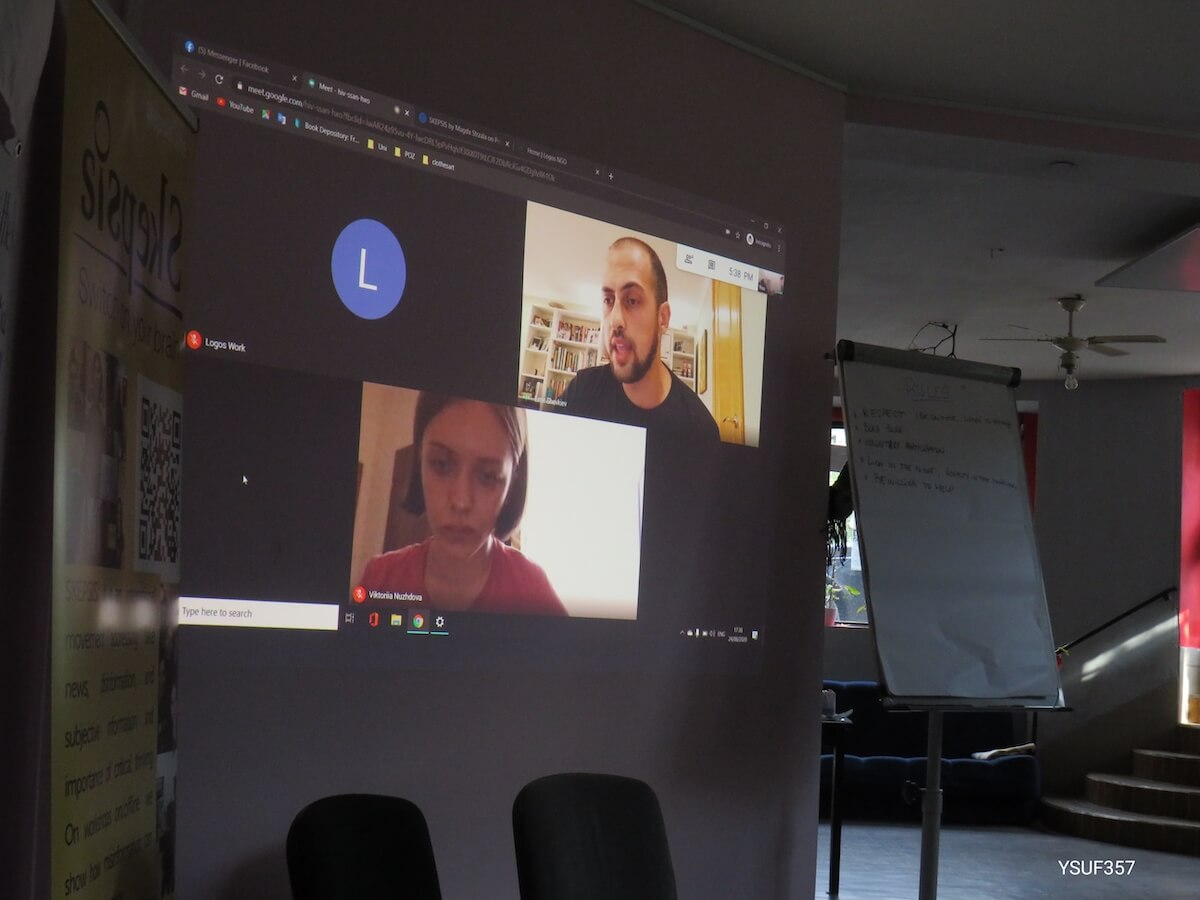
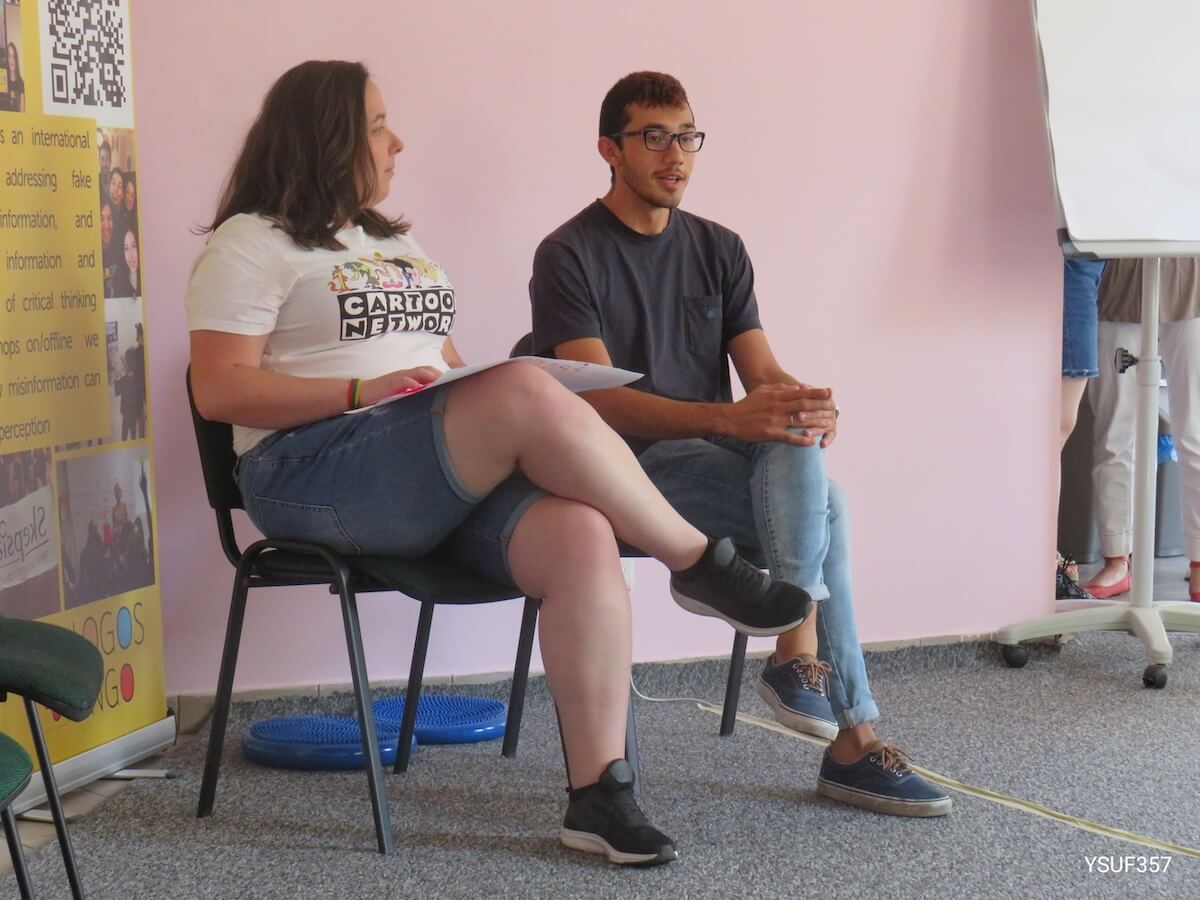
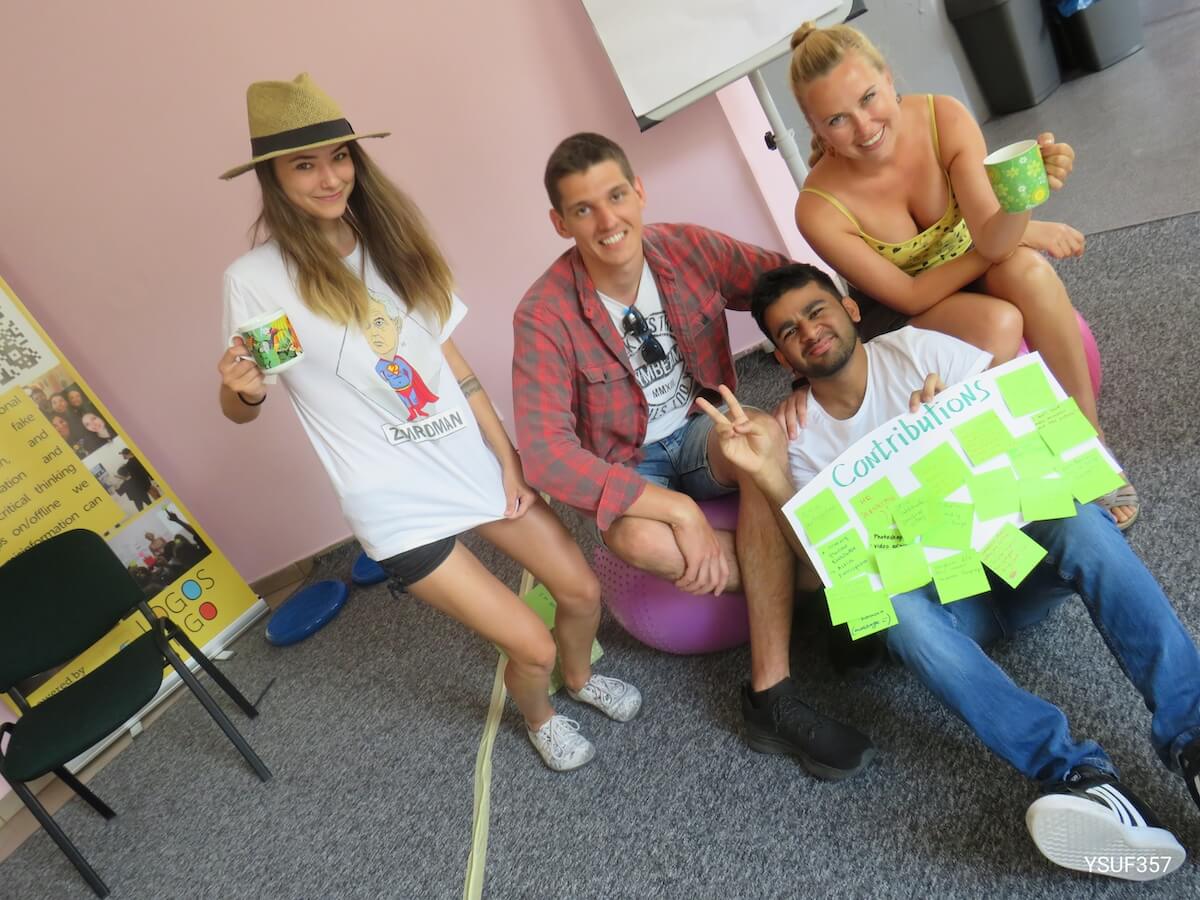
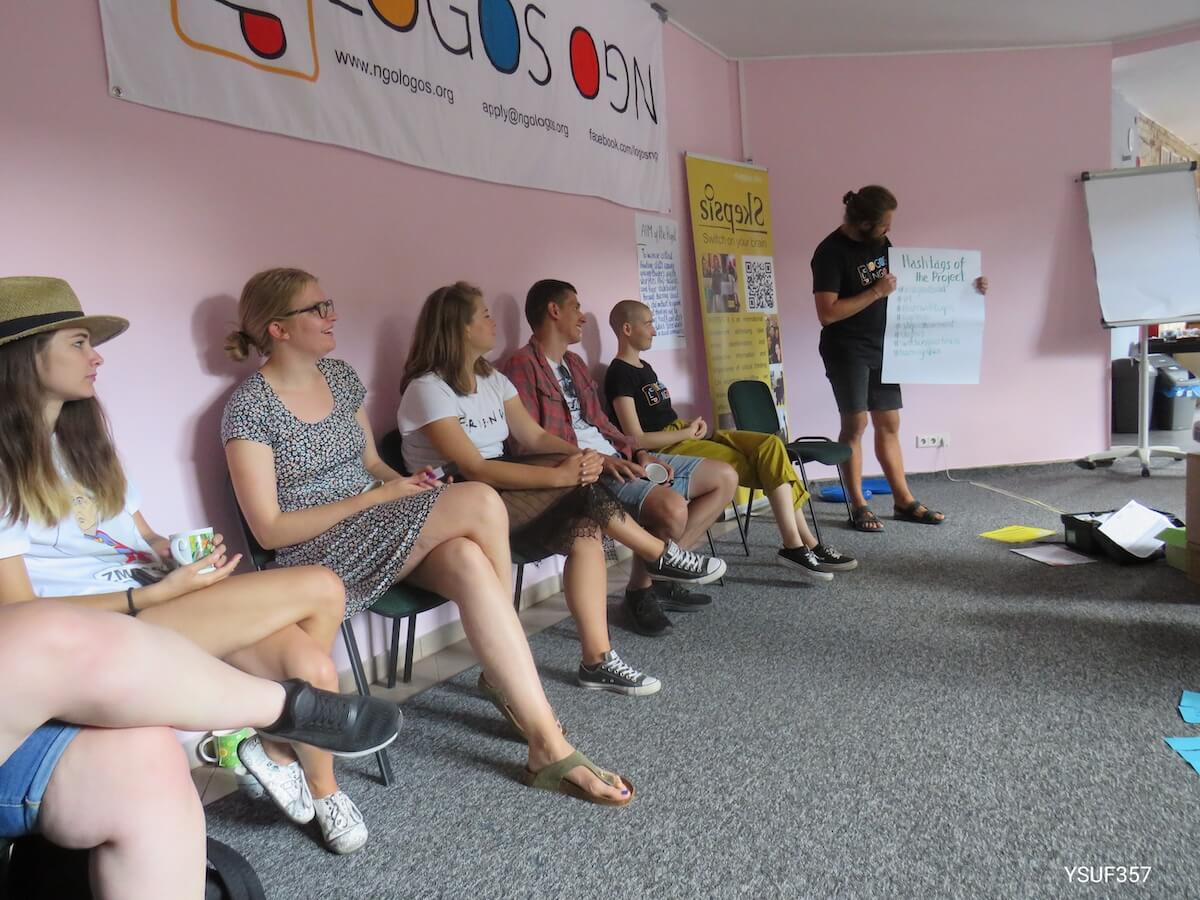
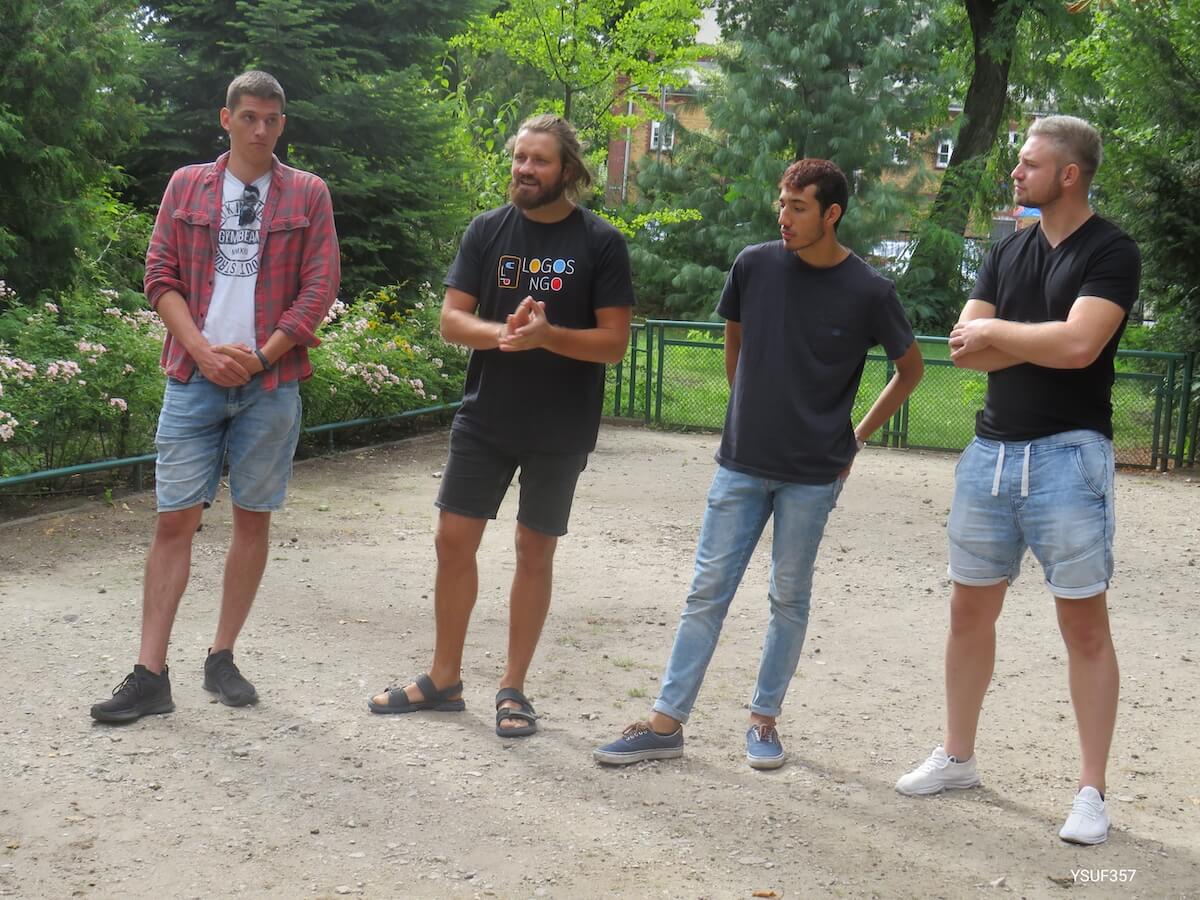
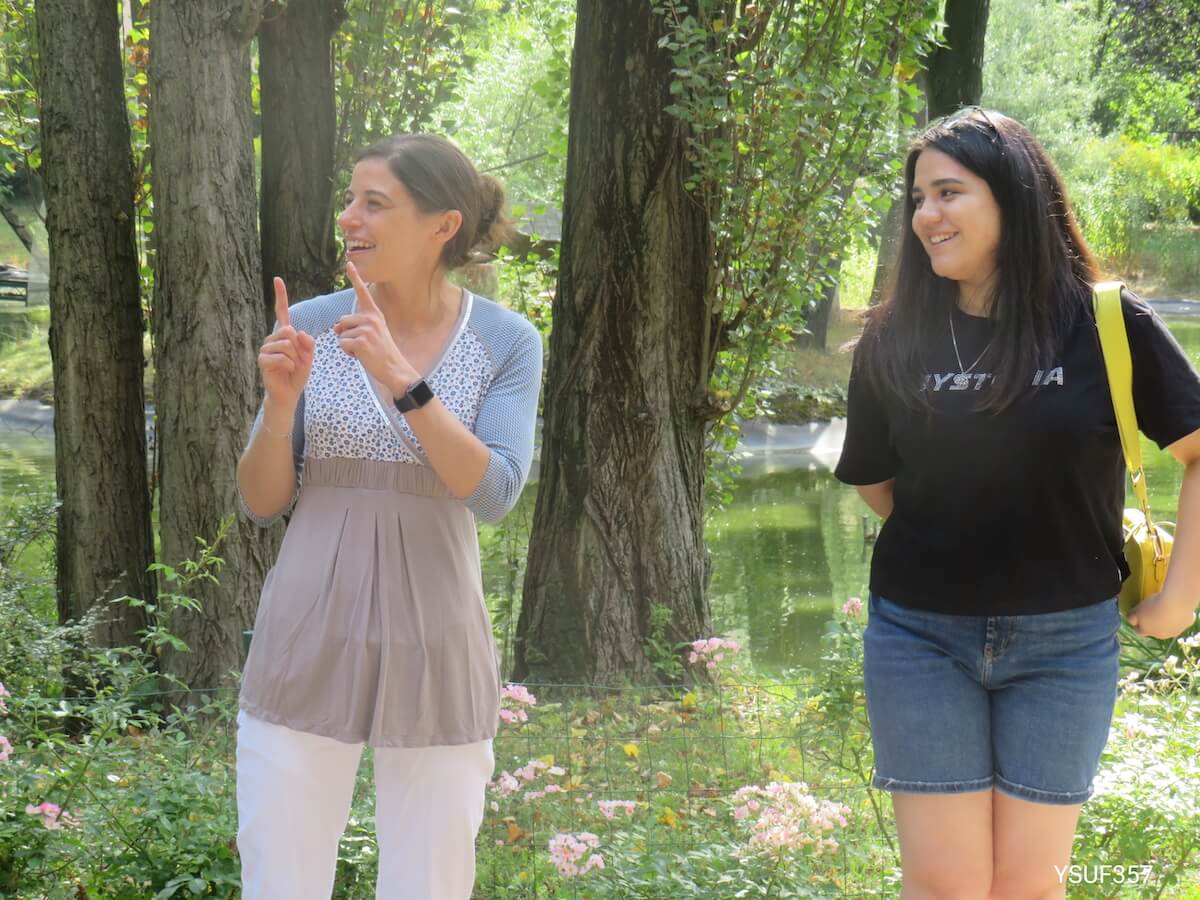
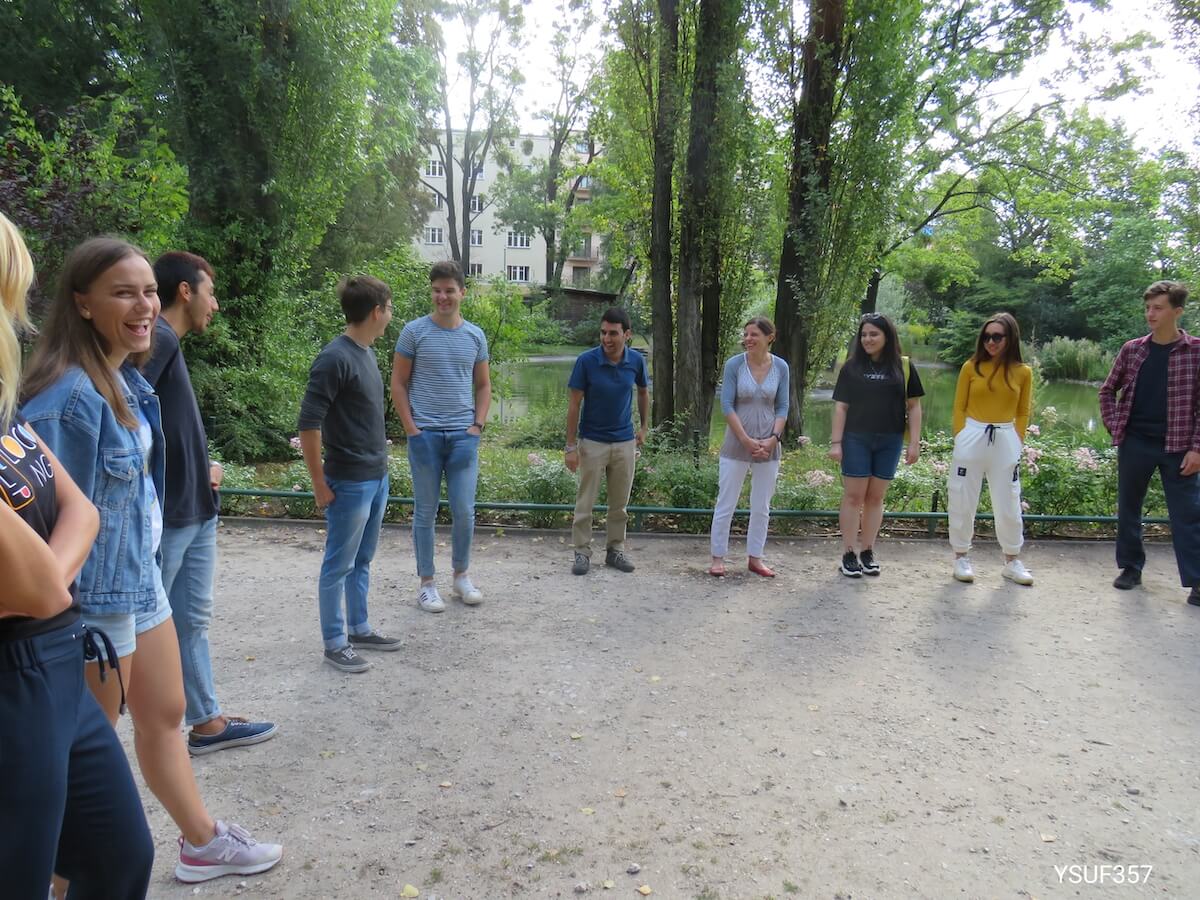
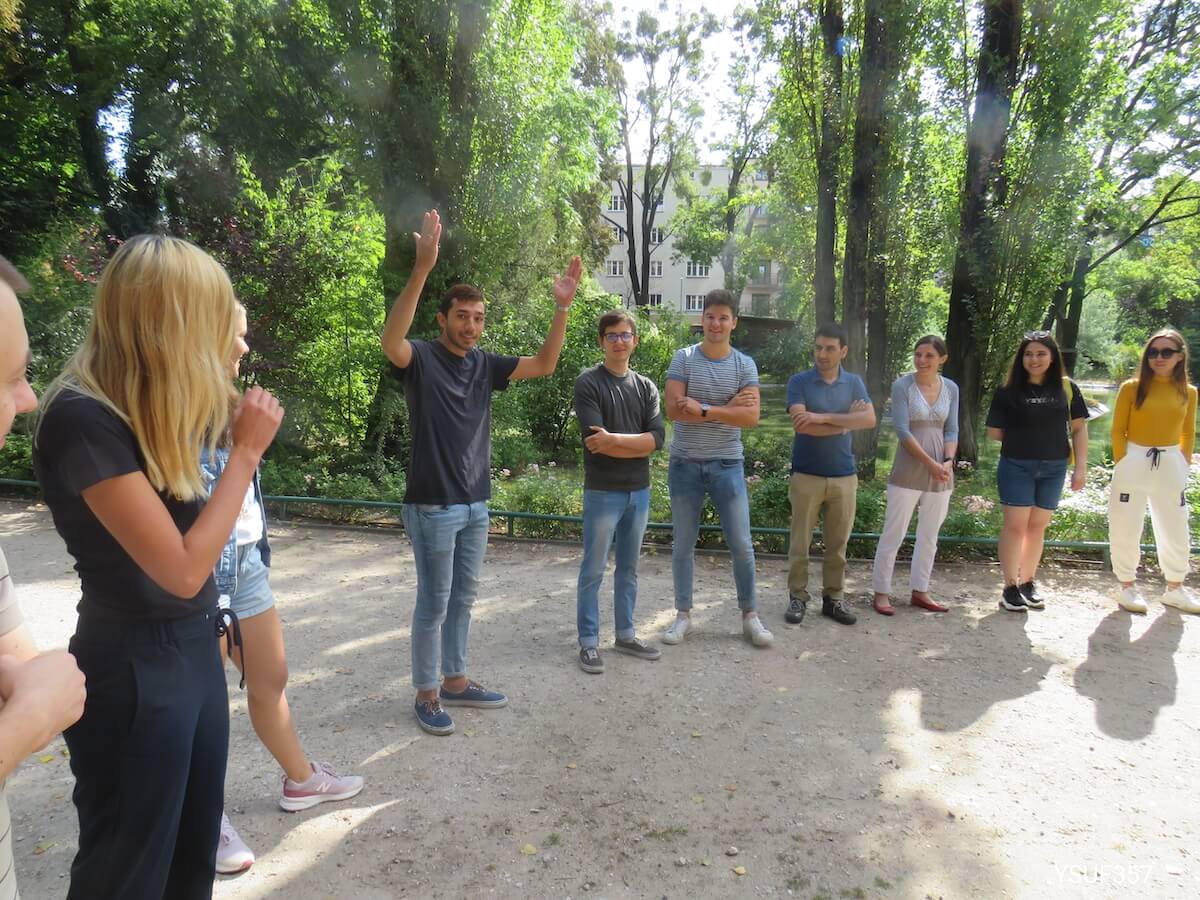
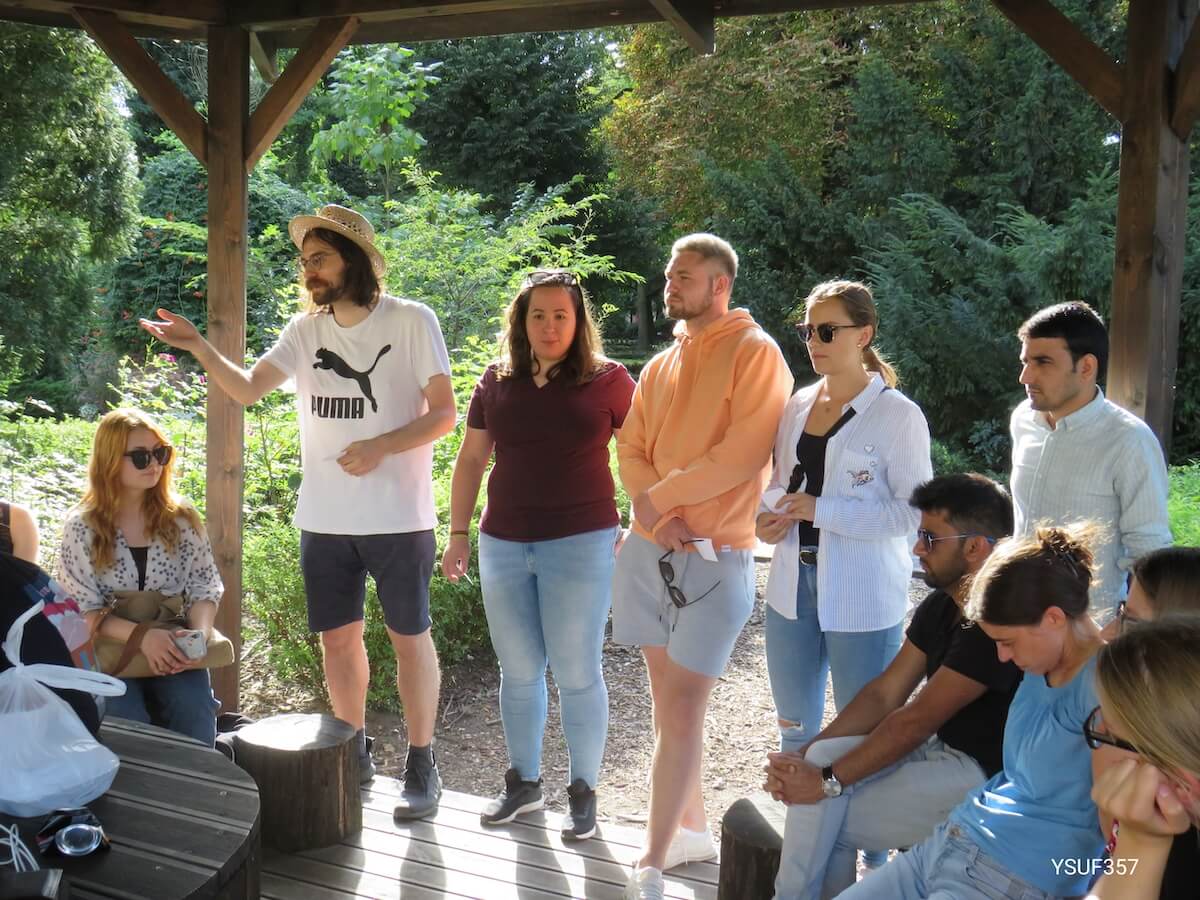
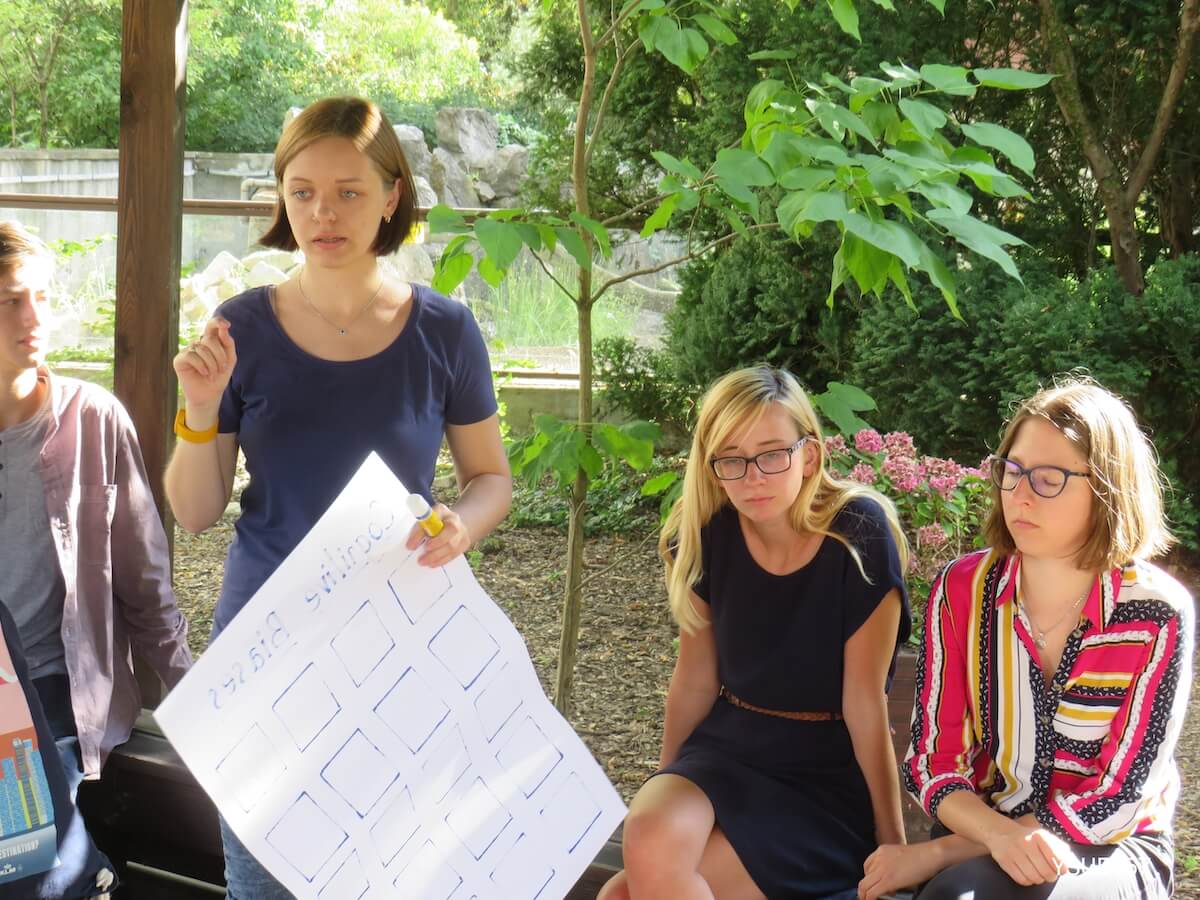
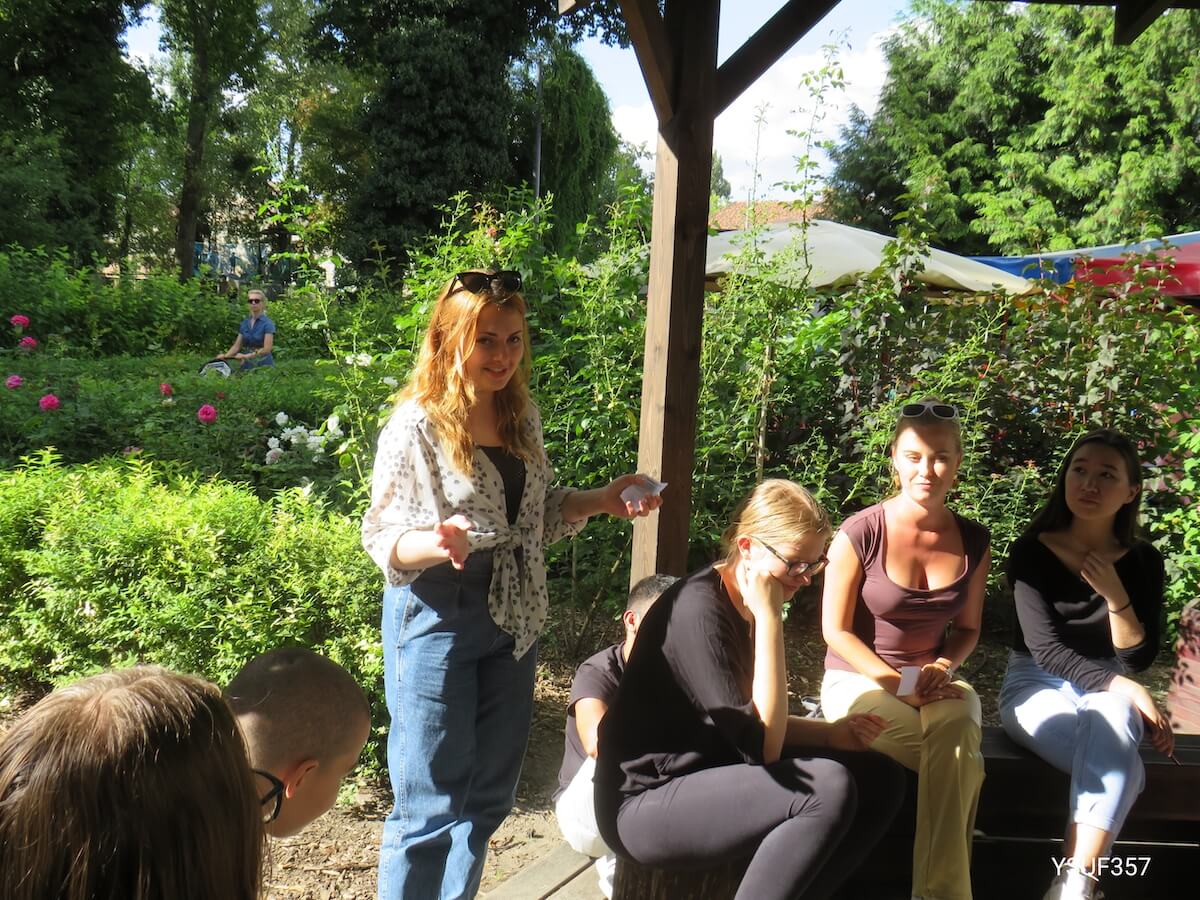
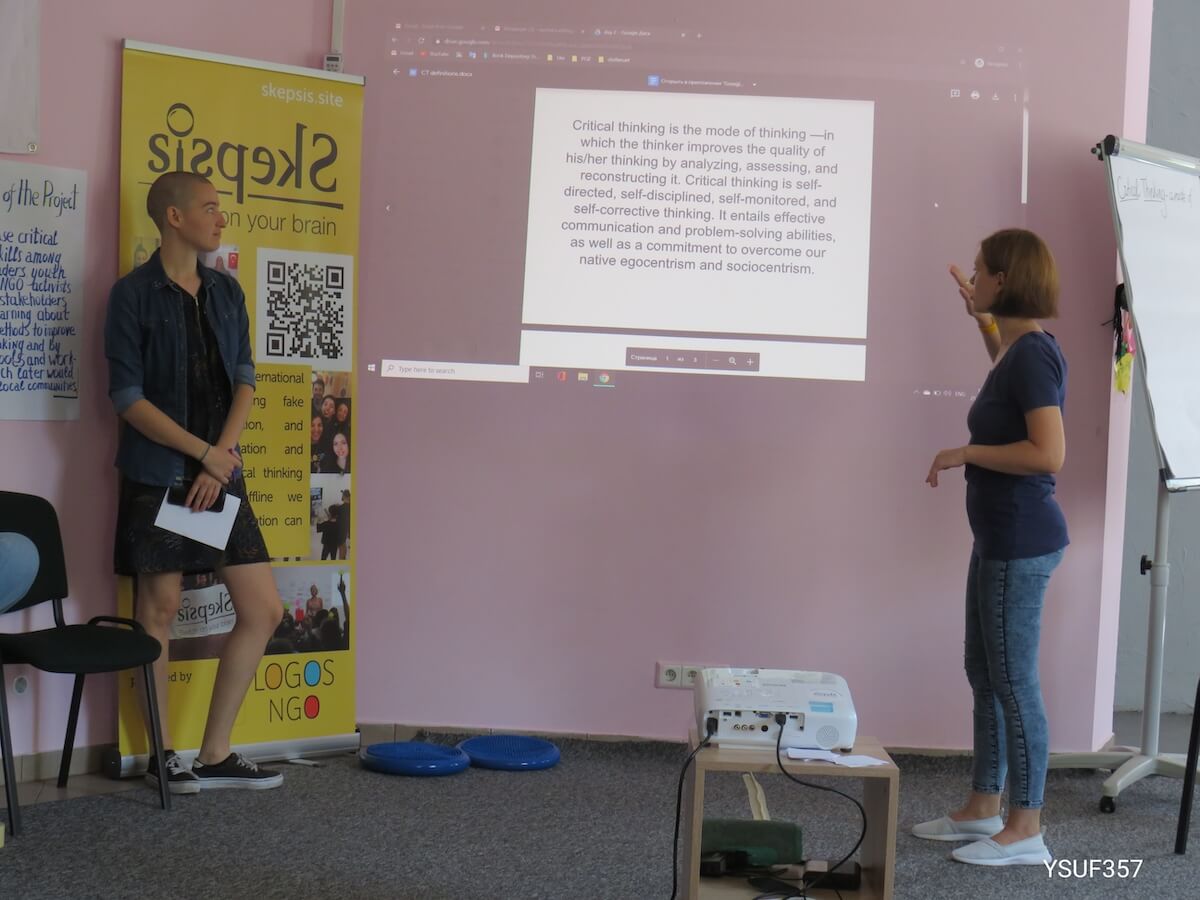
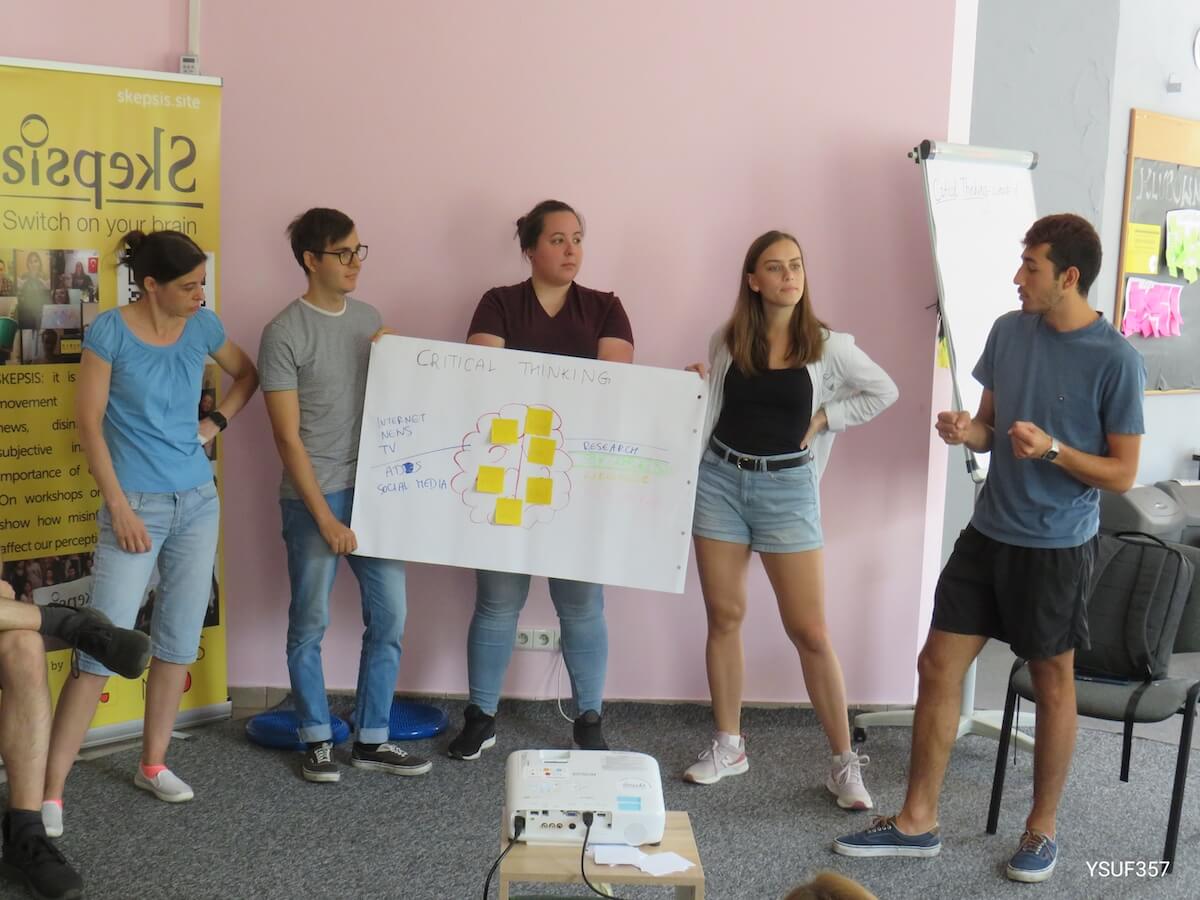
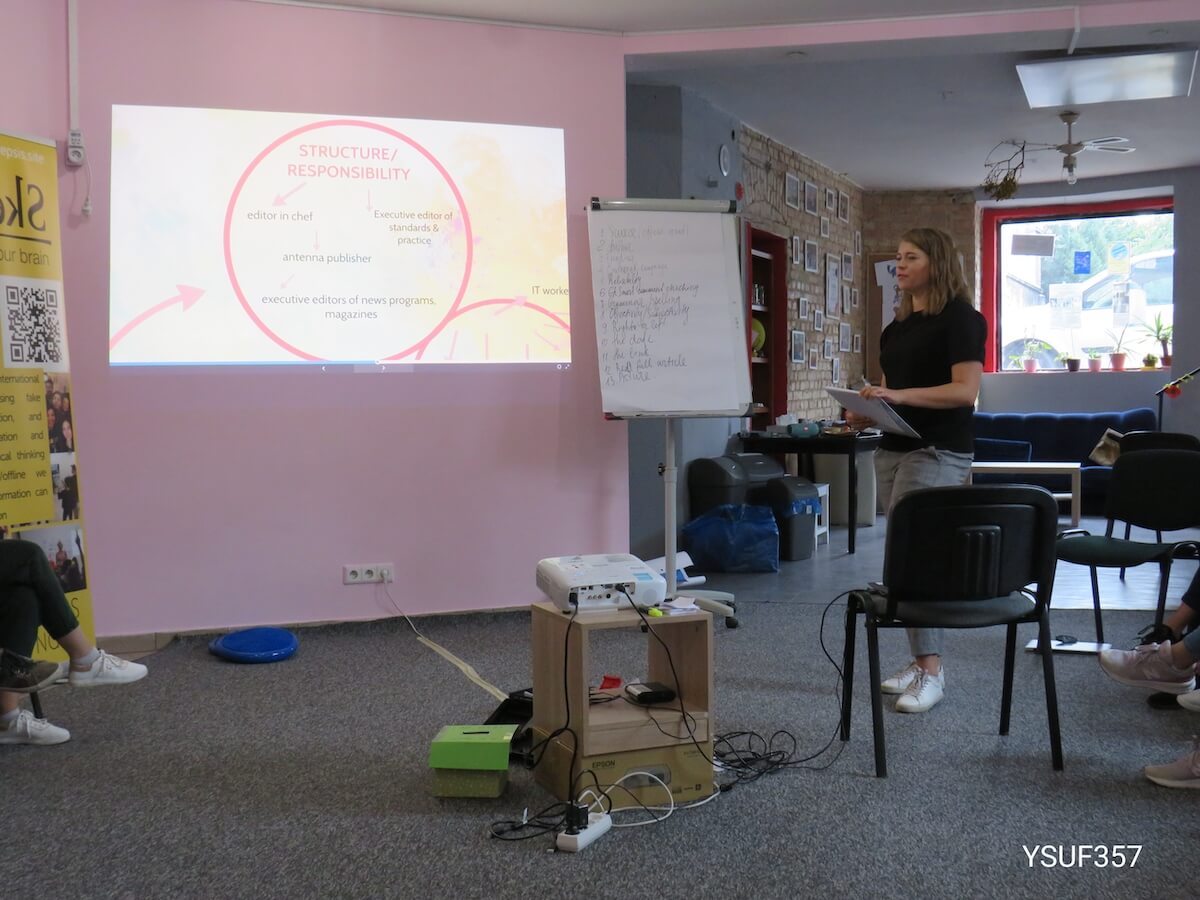
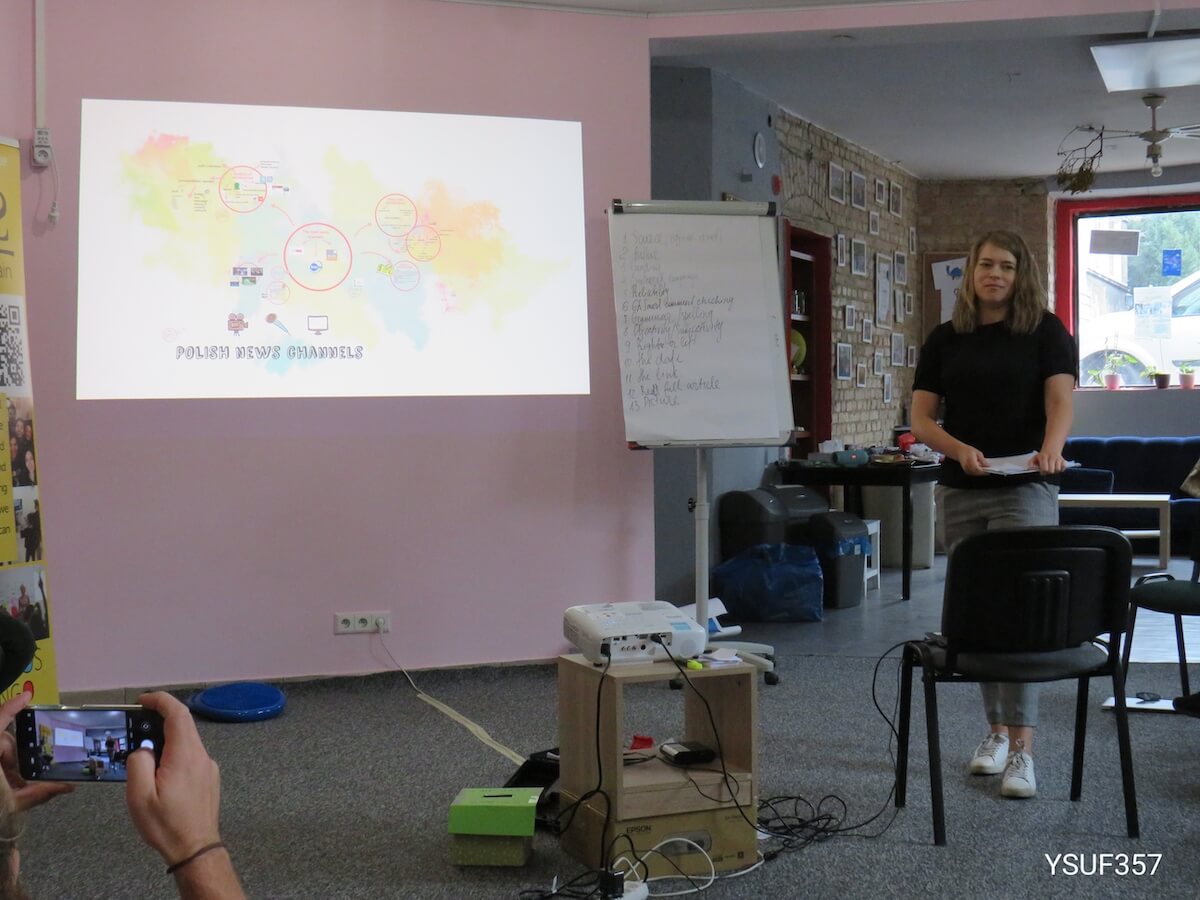
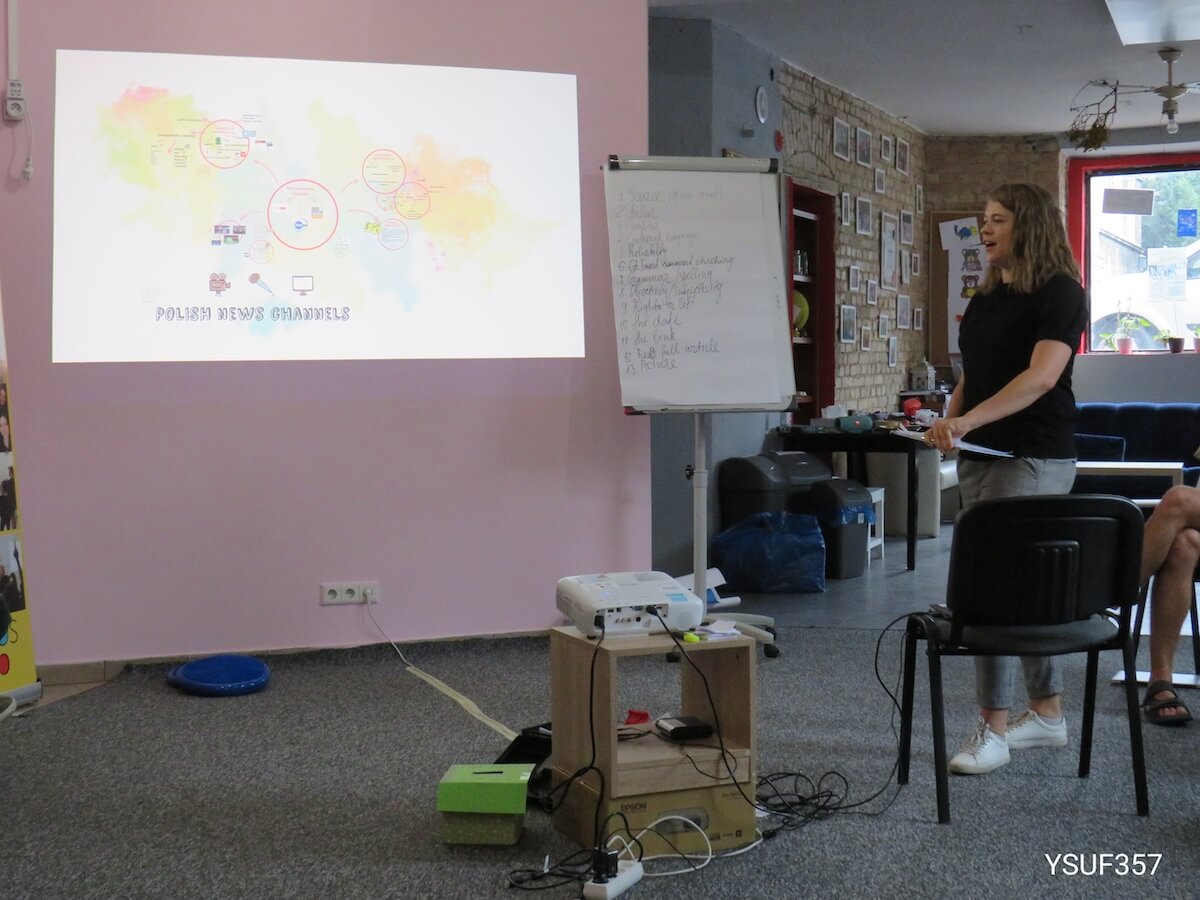
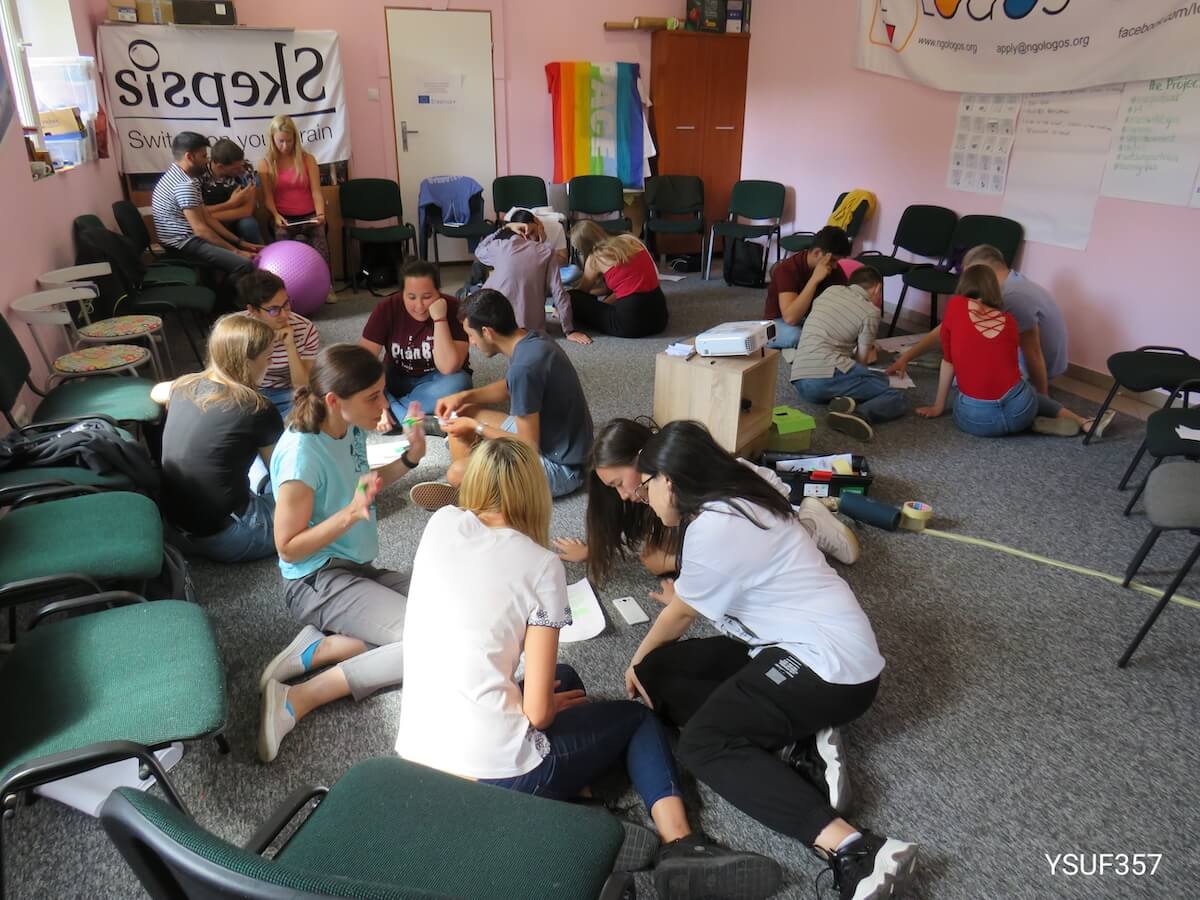
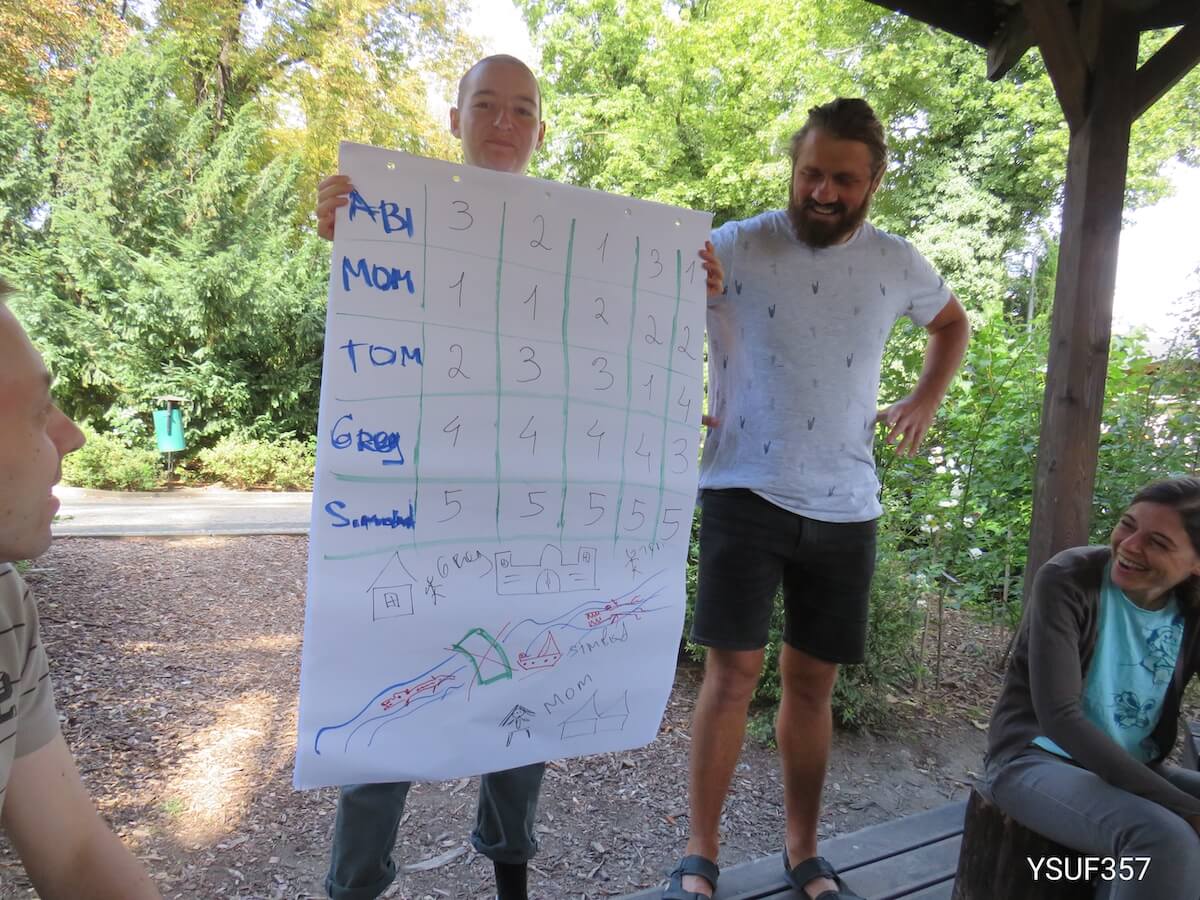
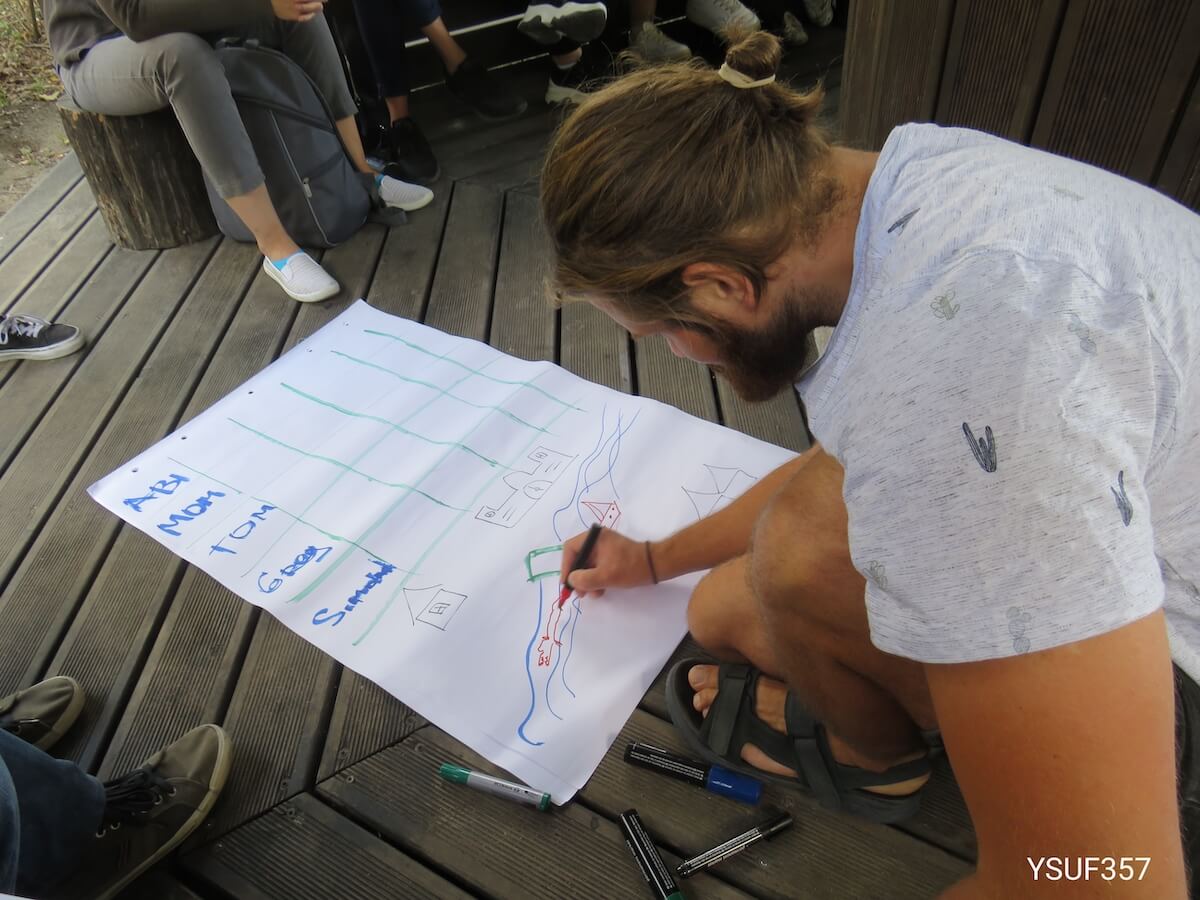
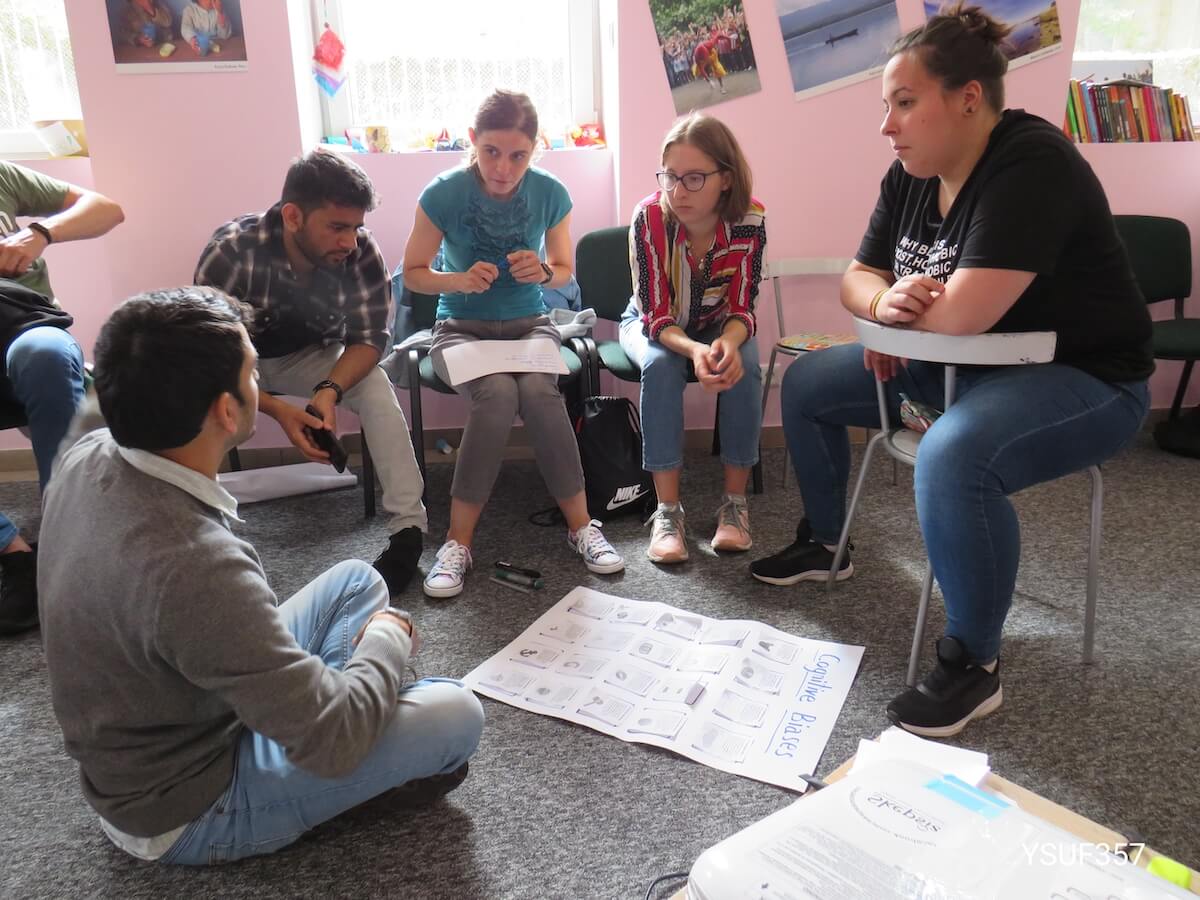
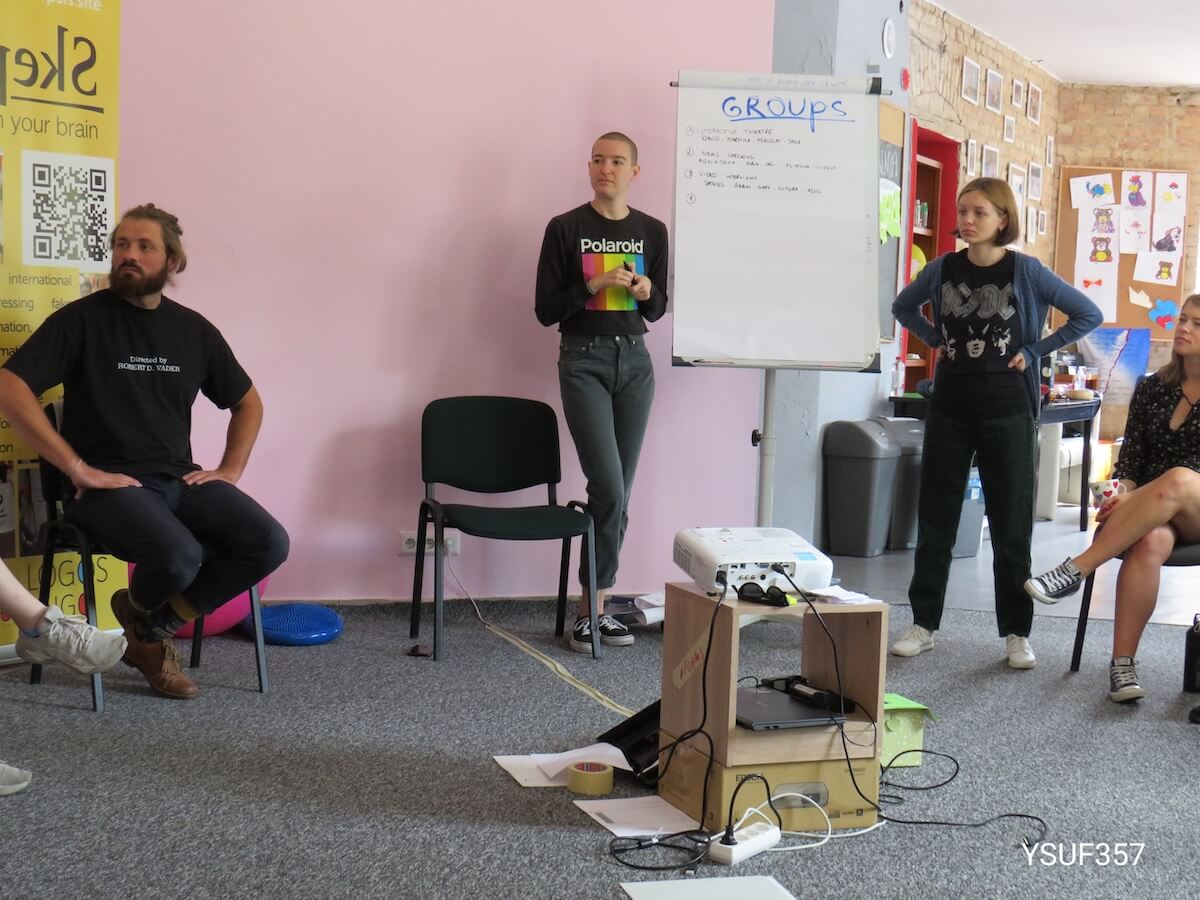
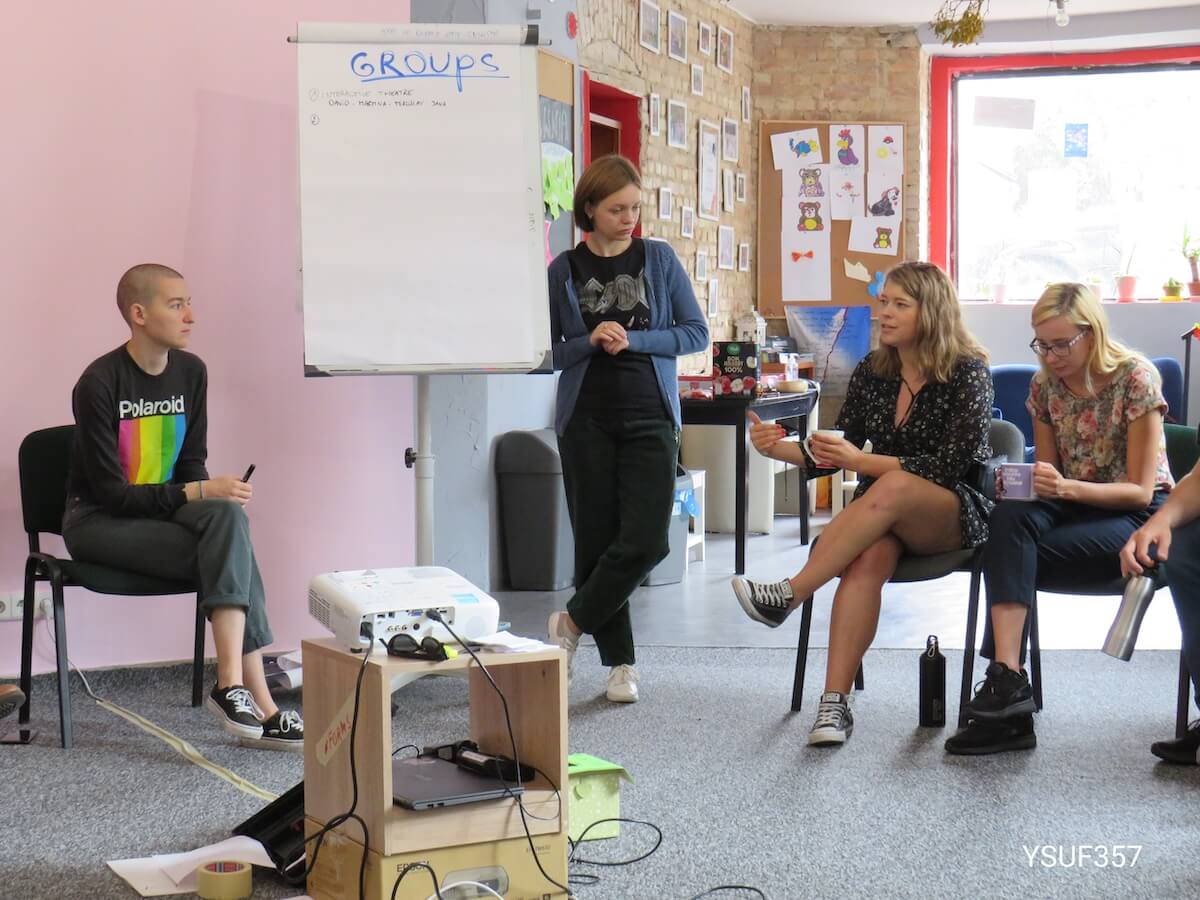
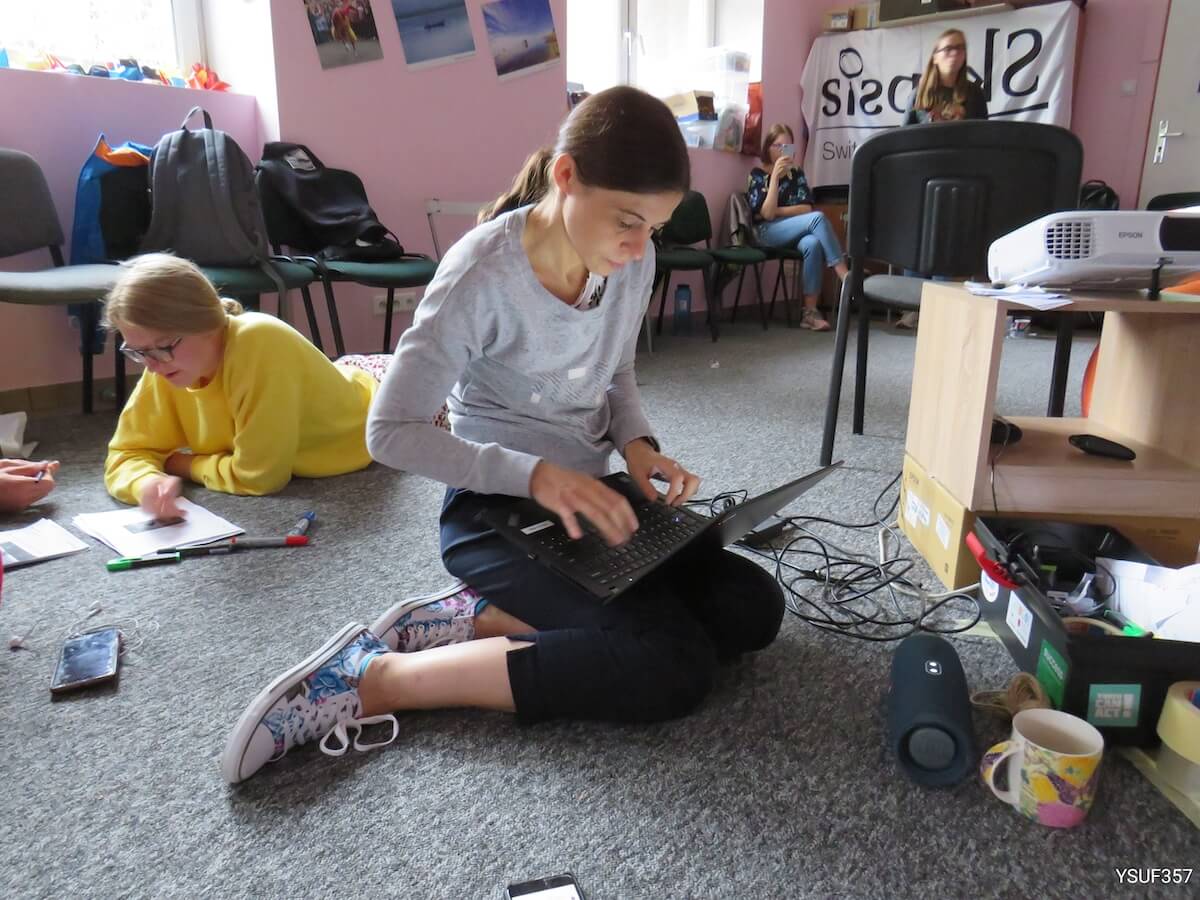
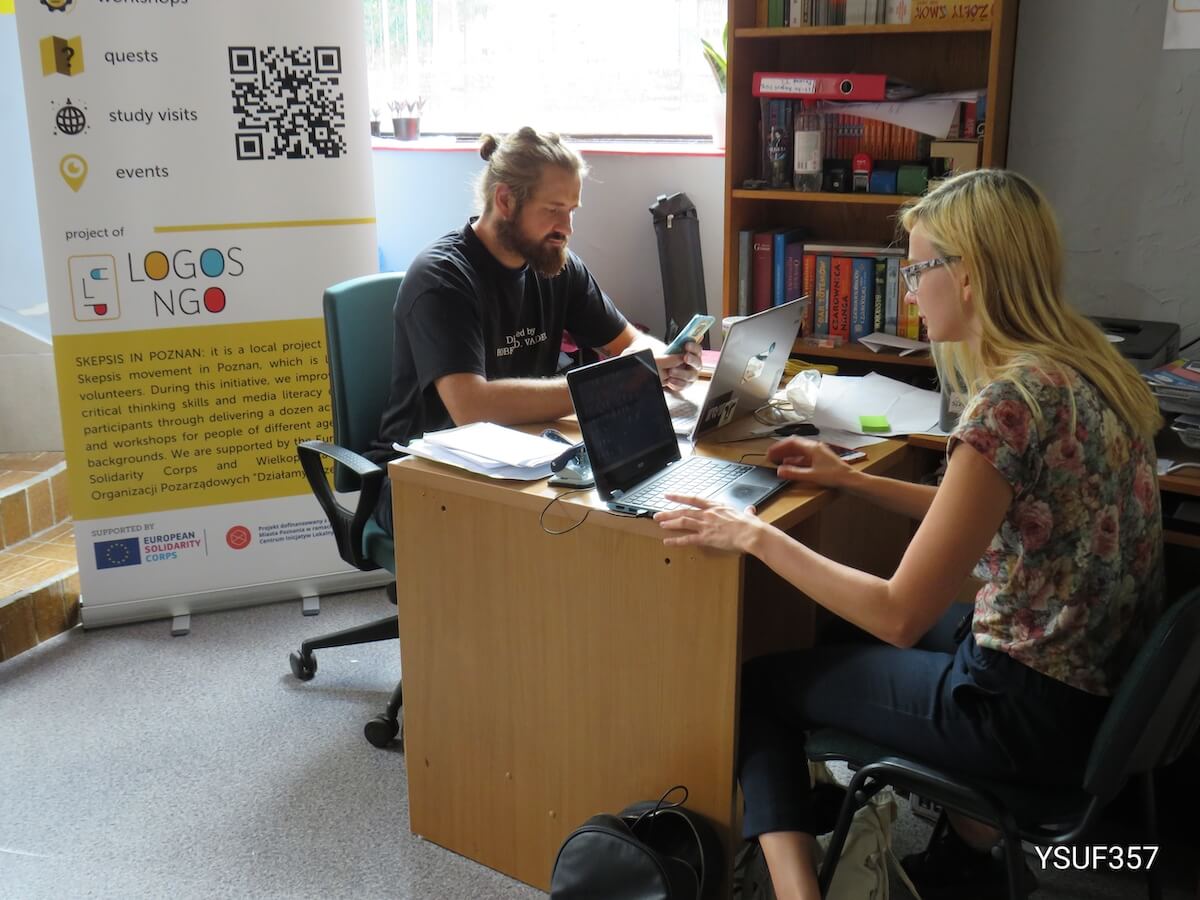
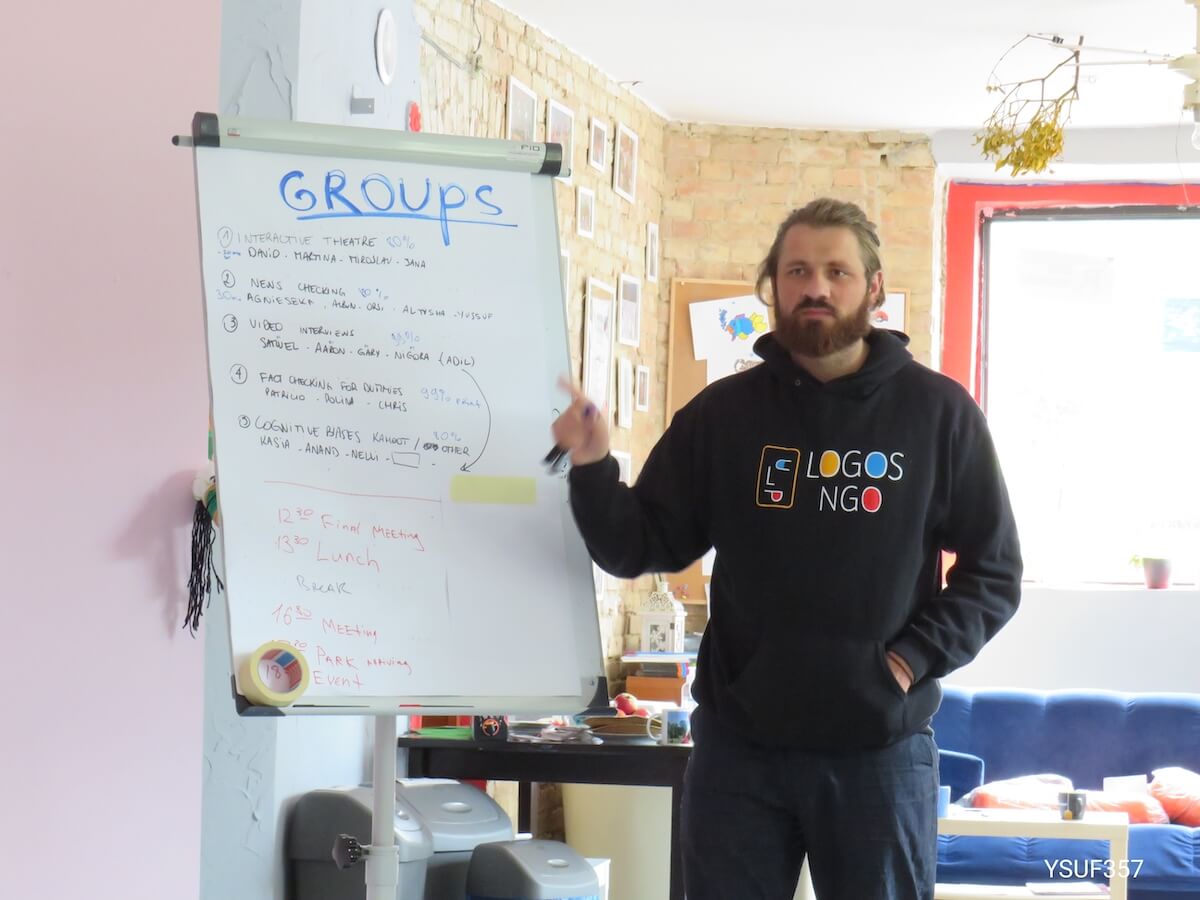
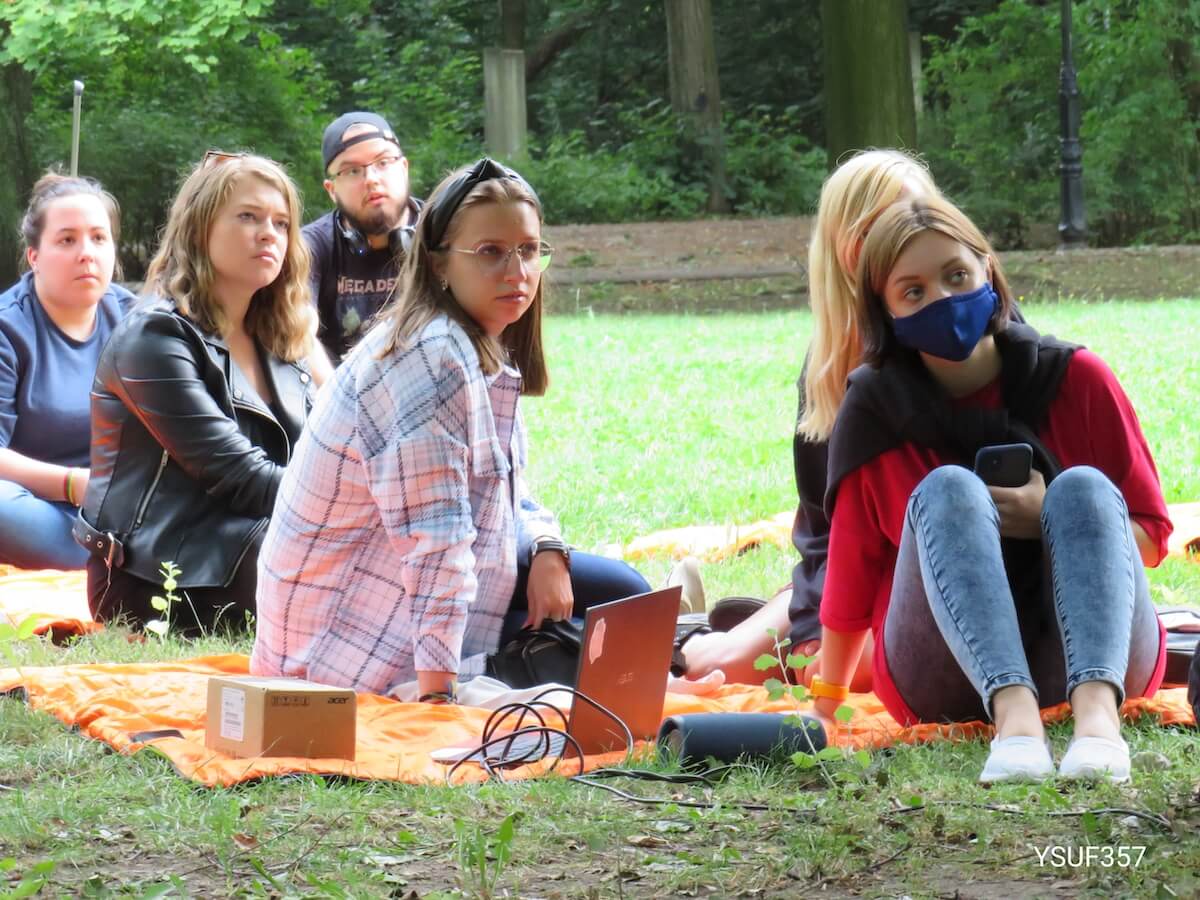
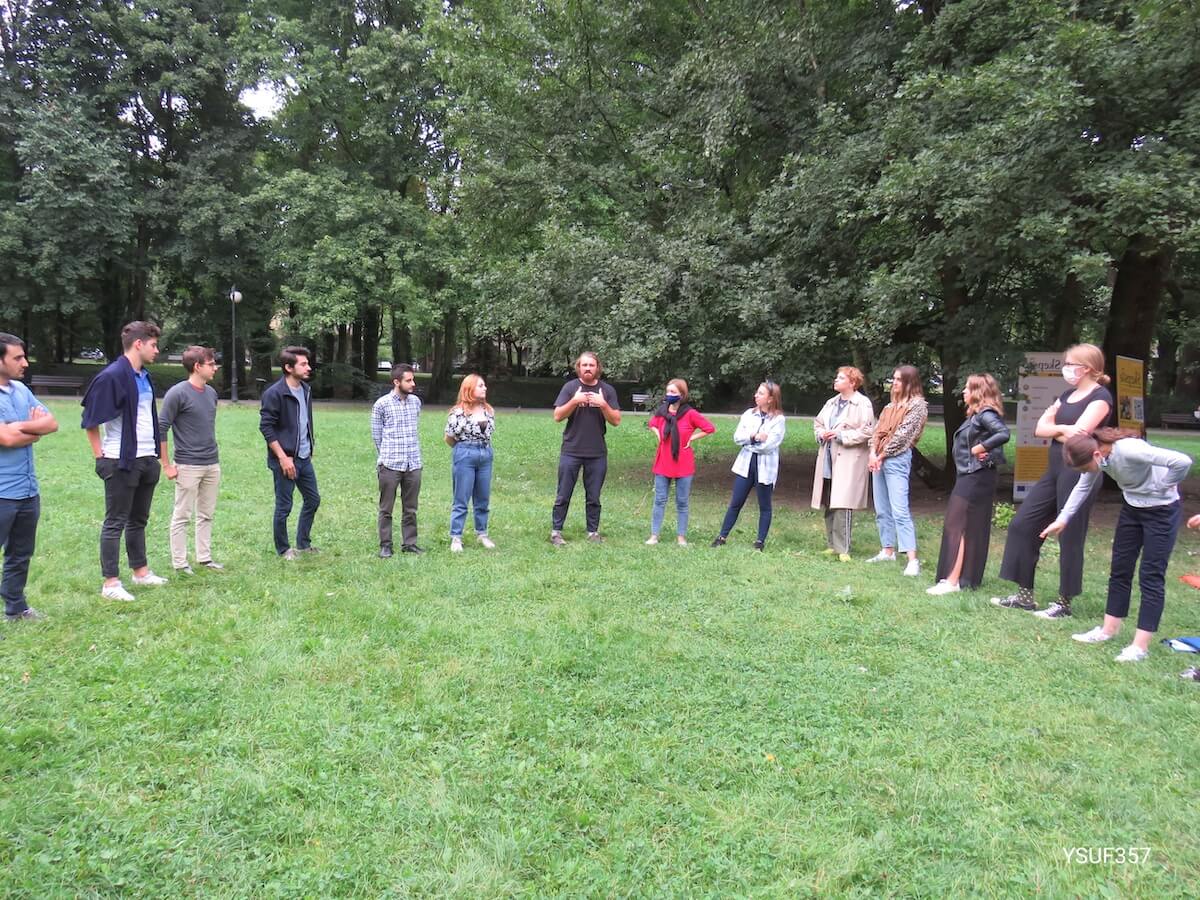
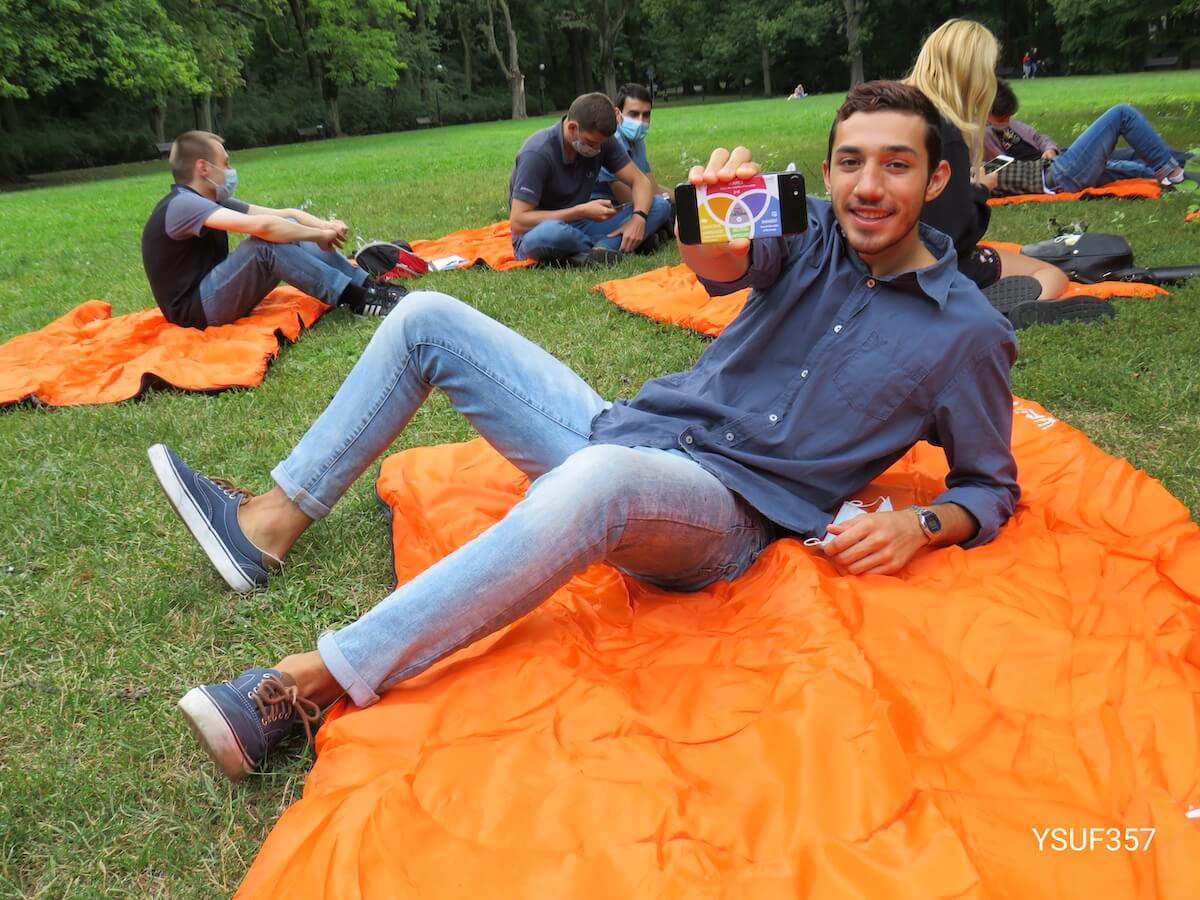
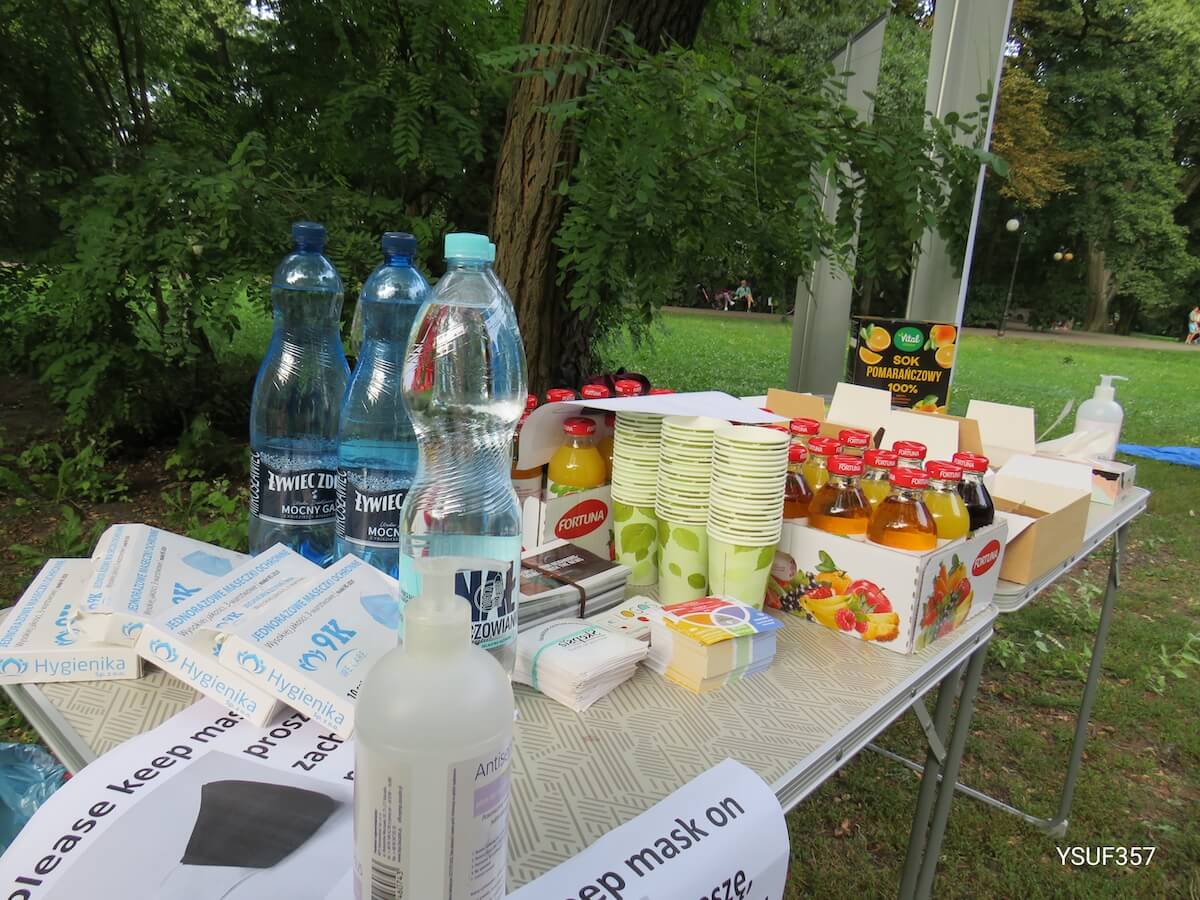
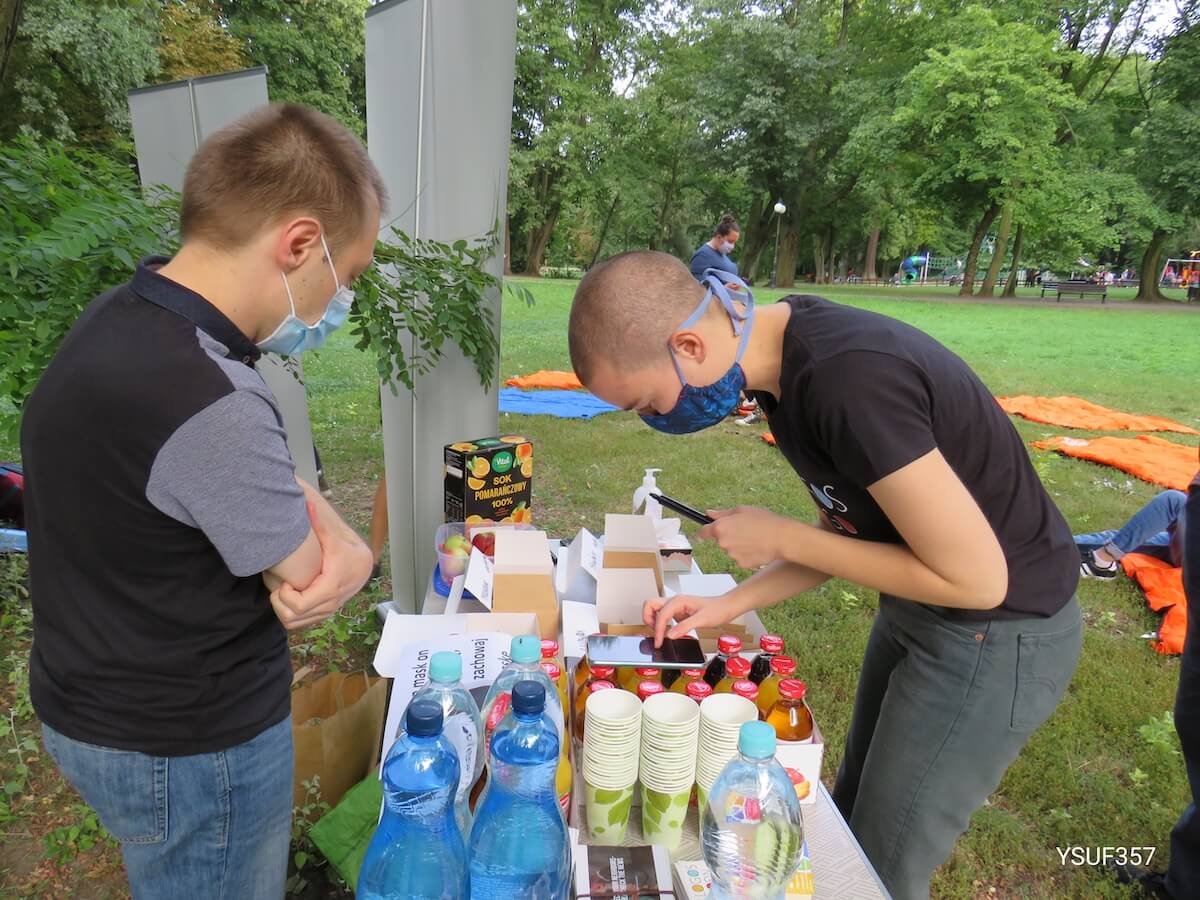
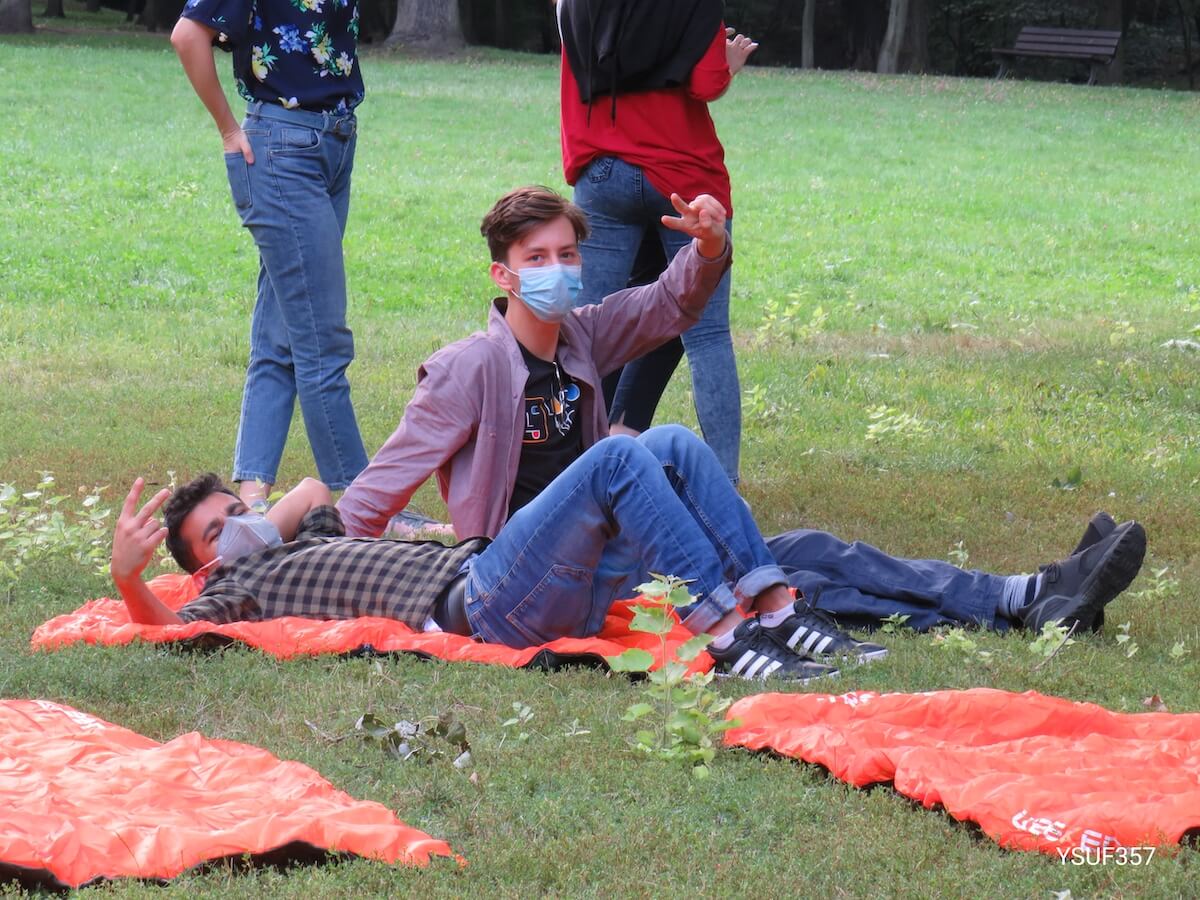
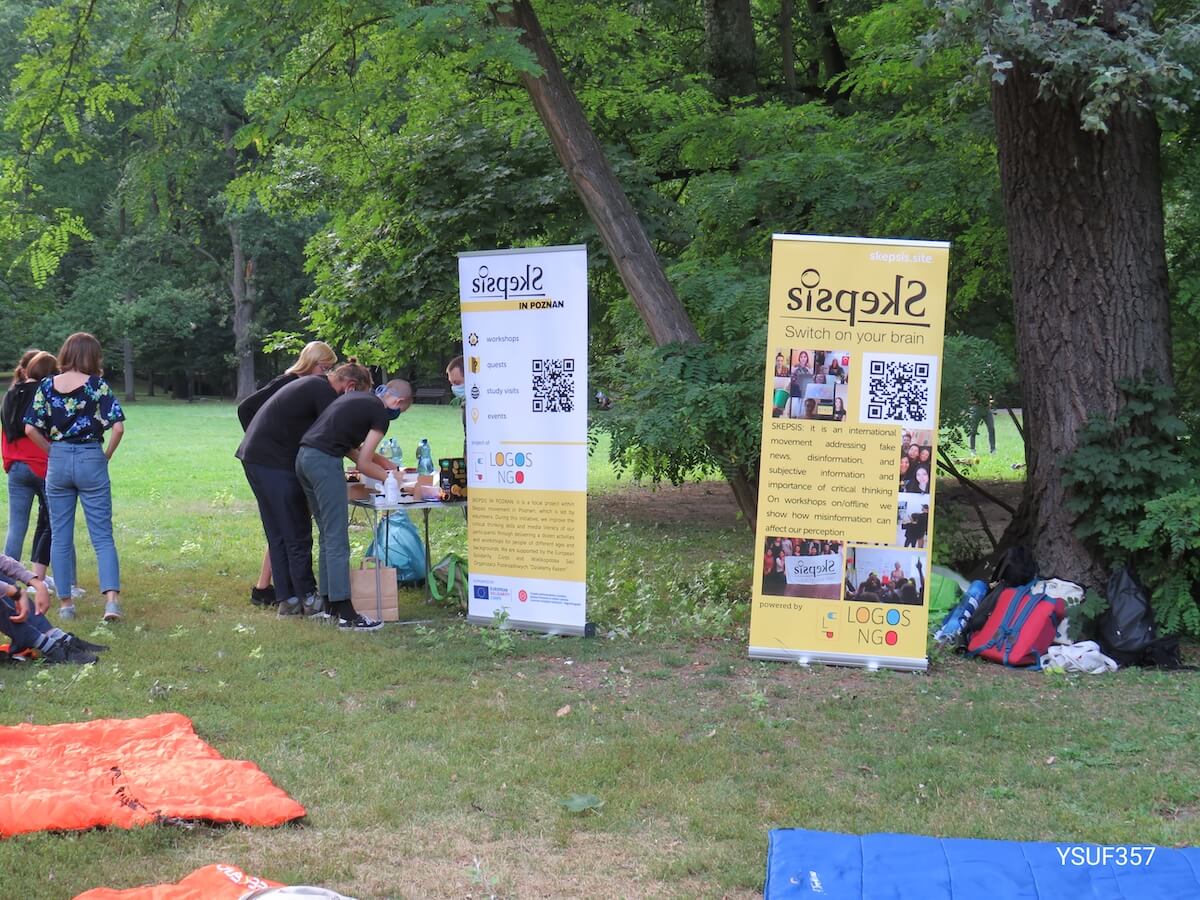
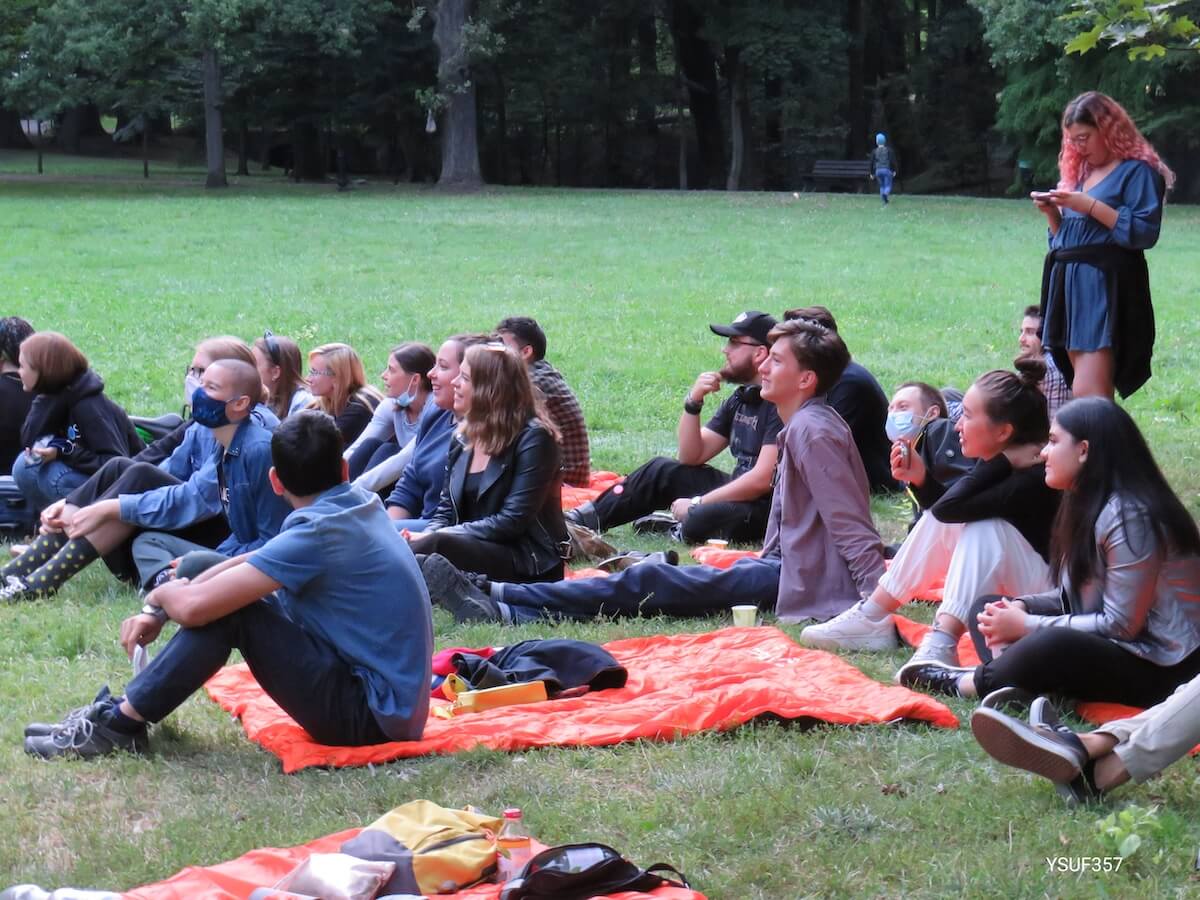
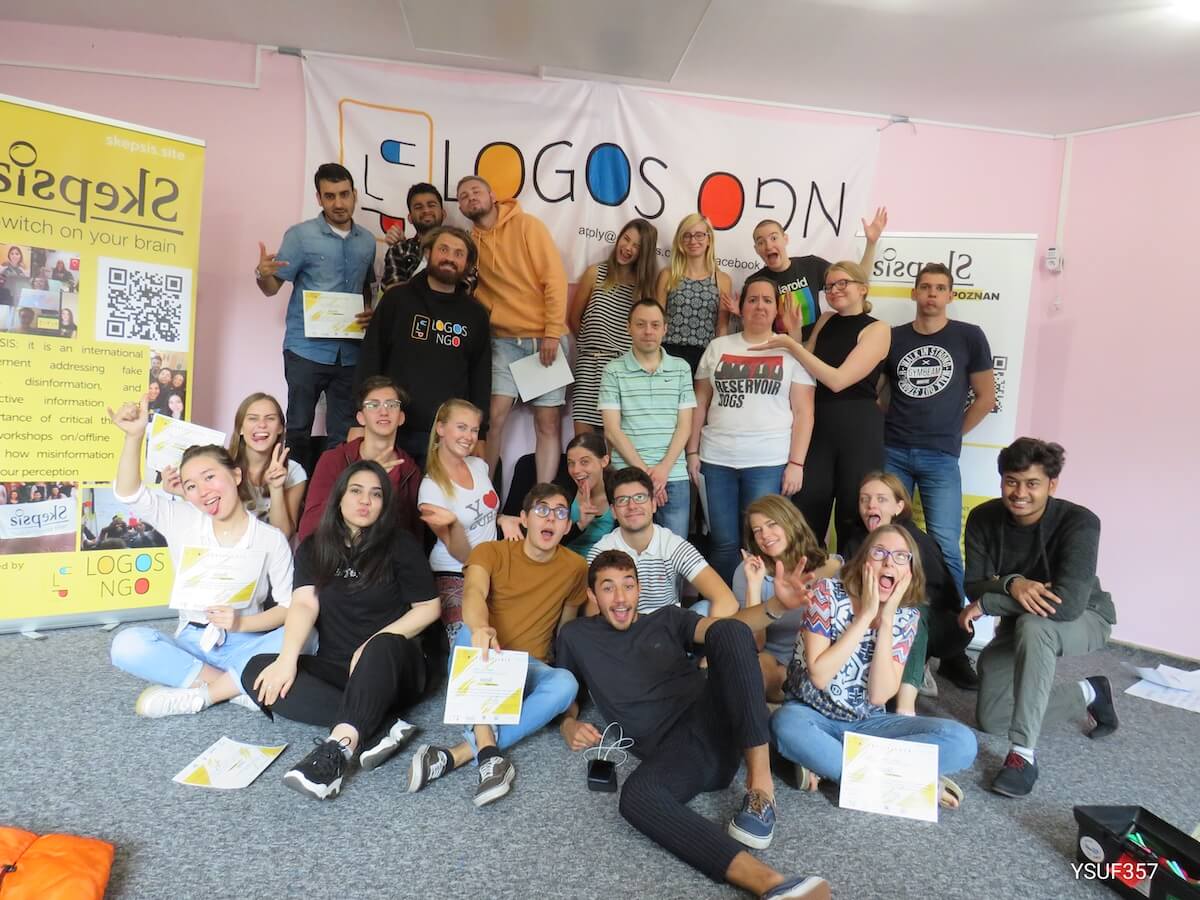
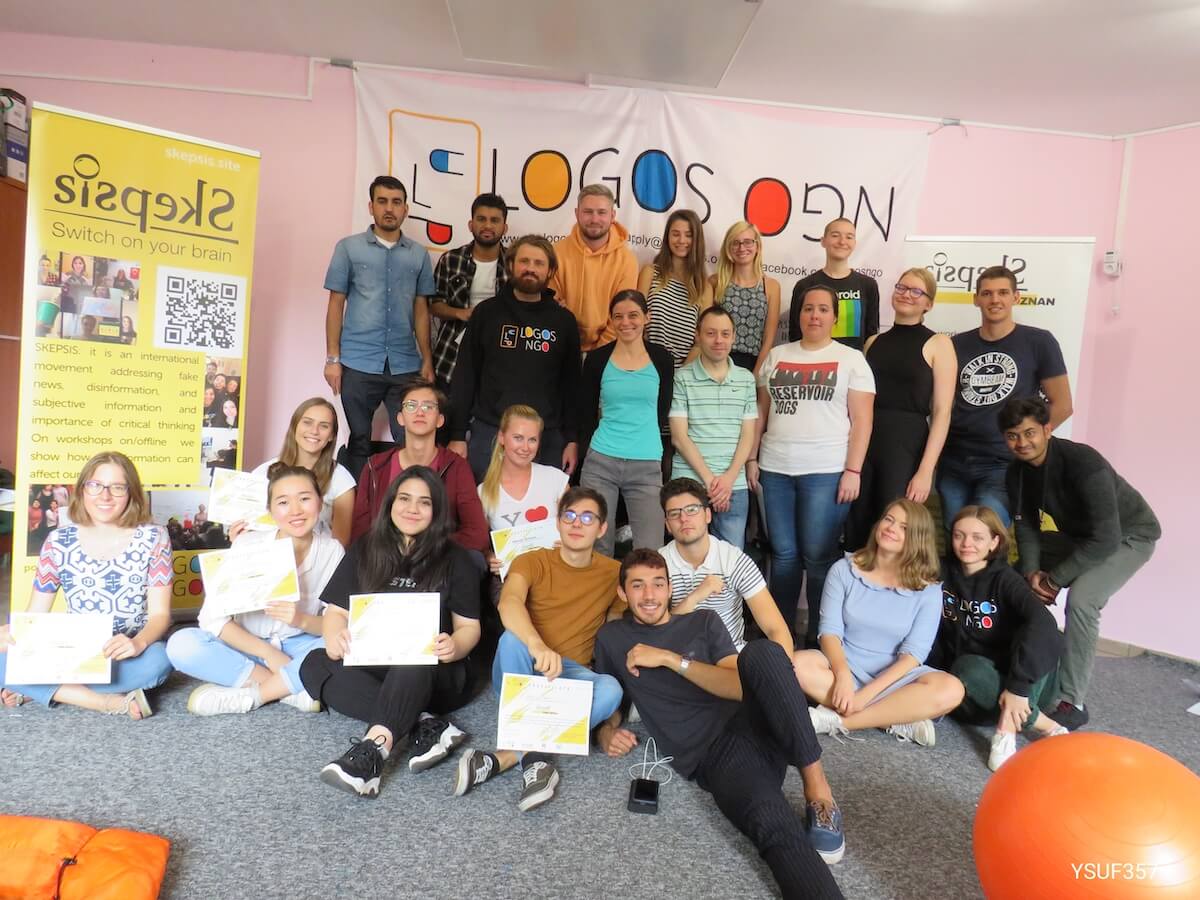
All the photos from the project
Description of elaborated tools
Team №1. Interactive theatre.
Explanation: Interactive theatre is created by participants of the project scenes on cognitive biases and logical fallacies. Actors had to play 3 scenes twice. First time, they just showed the audience a scene and the audience were to analyse them. The second time, the audience had to be involved in playing and change the direction of dialogues into the right, not distorted, way, free of biases and fallacies.
Team №2. Kahoot on cognitive biases.
Explanation: Participants presented cognitive biases and the simplest notion of it. Then, they gave 5 types of biases and explained them. After that, a team presented to the audience a Kahoot with the examples of biases. A task of an audience was to guess them. The winner received a small gift.
Team №3. Stickers on “Smart fact-checking”
Explanation: A team made a presentation on fact-checking. However, before an open event, they designed a set of stickers on “smart fact-checking”. They gave stickers out to other participants and to the guests.
Team №4. Analysis of titles of the articles.
Explanation: A team presented to the audience titles of different articles. A task of the audience was to guess whether those titles were neutral, positive or negative. Moreover, the audience tried by themselves to create different types of titles.
Team №5. Video. Social Experiment.
Explanation: Participants shot a video experiment and presented to the audience. The idea of the social experiment was the following. Participants created fake news and fed it up to the random people on the streets. They wanted to see how the people would react to it.
Project phases
Implementation of international Training Course in Poznan
23/08/2020 – 30/08/2020
Open Event in Poznan
28/08/2020
Creating manual for workshops on Information literacy and Media literacy
26/08/2020 – 15/09/2020
Dissemination of the project results and maintaining Skepsis page
31/08/2020
Project partners
Egyesület Békéscsaba Ifjúságáért
Hungary
http://ebiegyesulet.hu/
https://www.facebook.com/ebiegyesulet/
SYTEV
Slovakia
https://sytev.sk
https://www.facebook.com/SYTEV/
Logos Polska
Poland
https://logos.ngo/
https://www.facebook.com/logosngo